Economy News
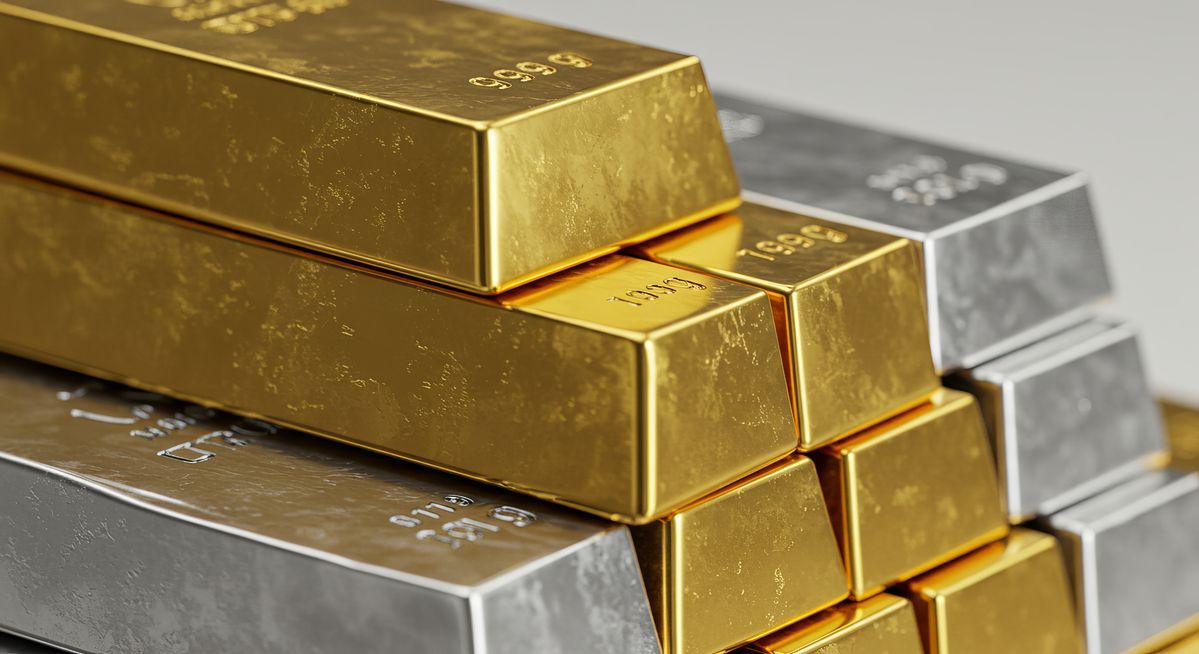

Nepal Moves to Grant Legal Status to Central Bank Digital Currency
A proposed amendment to the Nepal Rastra Bank Act would recognize a central bank digital currency (CBDC) as legal tender, placing it on par with physical banknotes and coins while paving the way for digital banks and fintech firms under the central bank's direct oversight.
3 months ago
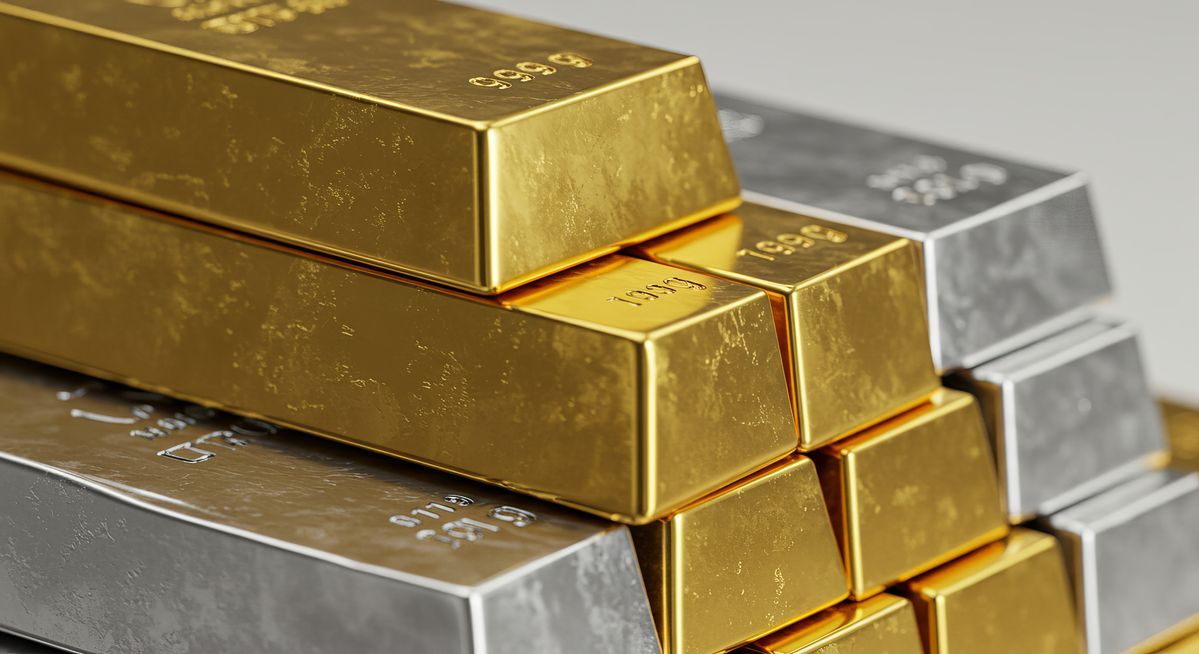
Gold Price Jumps by Rs. 7,200 Per Tola, Nears Rs. 291,000
Gold prices surged by Rs. 7,200 per tola on Friday, while silver also gained Rs. 165, continuing the upward trend in Nepal's bullion market.
3 months ago

Nepal Tourism Booms: June 2026 Tourist Arrivals Surge by 19.5% to Smashes Pre-Pandemic Records
Nepal welcomed 91,363 foreign tourists by air in June 2026, marking a robust 19.5% year-on-year growth and comfortably outpacing pre-pandemic levels, with Indian and American travelers continuing to anchor the inbound market.
3 months ago
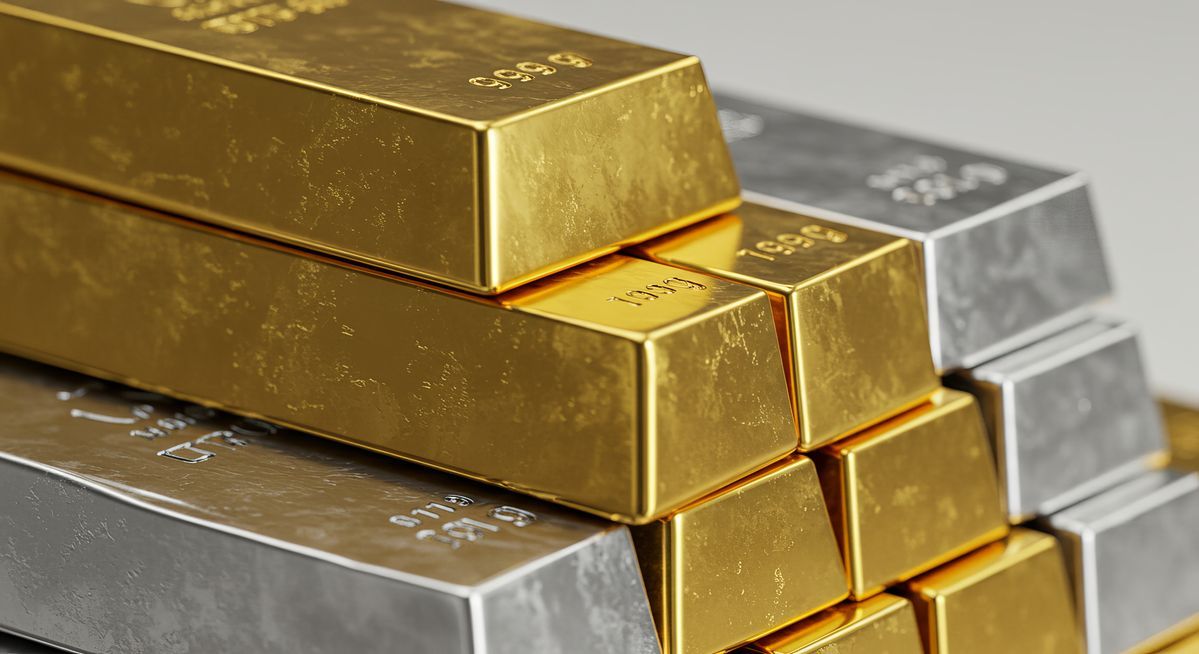
Precious Metals Witness Unprecedented Rally; Gold Soars by Rs 6,200 per Tola
Domestic gold and silver prices chart a steep upward trajectory following aggressive bullish trends in global markets.
3 months ago
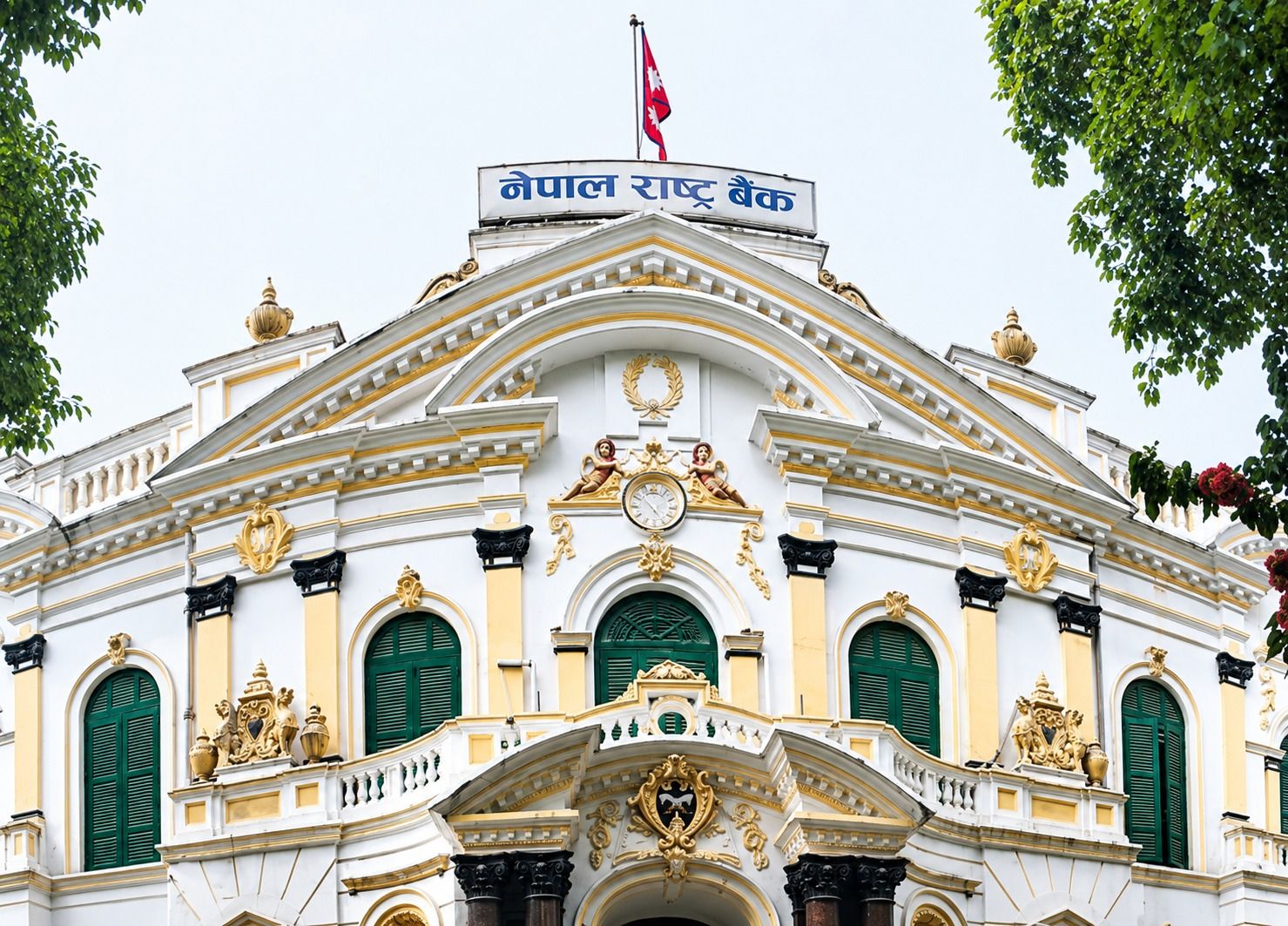
NRB Fixes Foreign Exchange Rates; US Dollar Selling Rate at Rs 151.76
Nepal Rastra Bank (NRB) has announced the official foreign exchange rates for Wednesday, determining the purchase and selling benchmarks for major global currencies. Under the latest updates, the US Dollar buying and selling rates stand at Rs 151.16 and Rs 151.76 respectively, while the Indian Rupee continues its peg with a fixed purchase rate of Rs 160 per 100 INR.
3 months ago
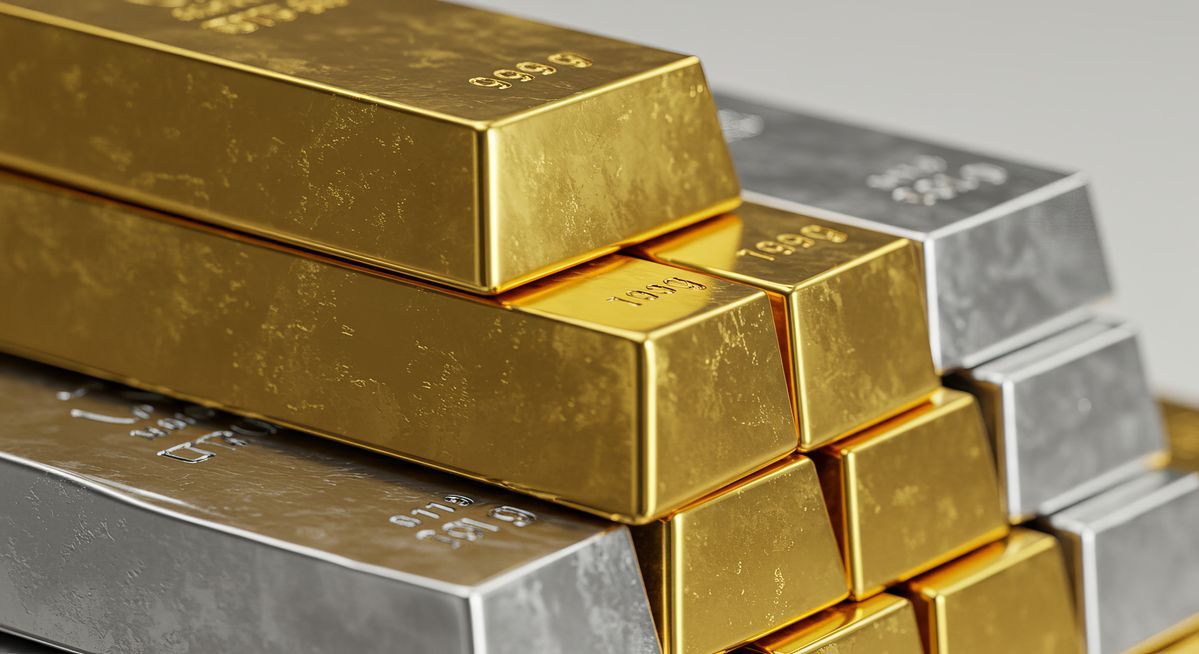
Gold and Silver Prices Decline in Nepalese Market
The domestic precious metals market in Nepal witnessed a downward trend on Wednesday, Asar 17, as both gold and silver prices registered losses. According to the Federation of Nepal Gold and Silver Dealers' Association, fine gold dropped by Rs 600 per tola, while silver prices decreased by Rs 15 per tola, continuing a recent streak of price declines.
3 months ago
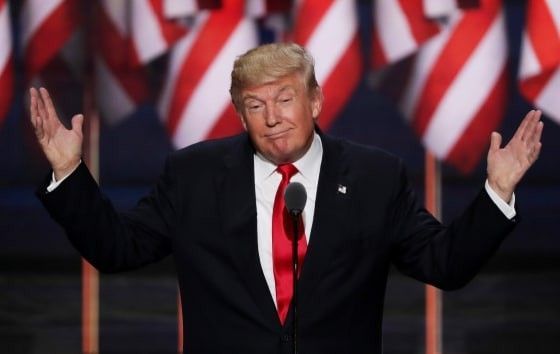
Financial Disclosure Reveals President Trump Earned Over $1 Billion From Cryptocurrency Ventures
According to his mandatory 927-page financial disclosure for 2025, US President Donald Trump accumulated more than $1 billion in earnings from cryptocurrency dealings. Despite severe ethics criticisms regarding blatant conflicts of interest, the White House has heavily dismissed the claims, maintaining that the President's actions serve the American public and have successfully positioned the country as the global crypto capital.
3 months ago

NOC Slashes Fuel Prices; Petrol Drops by Rs 20, Cooking Gas Down by Rs 100
The state-owned Nepal Oil Corporation (NOC) has announced a significant reduction in the retail prices of major petroleum products and cooking gas. Driven by its automated pricing mechanism and declining procurement costs from India, the rate cuts bring widespread relief to consumers, with petrol prices slashed by Rs 20 per liter and cooking LPG reduced by Rs 100 per cylinder.
3 months ago
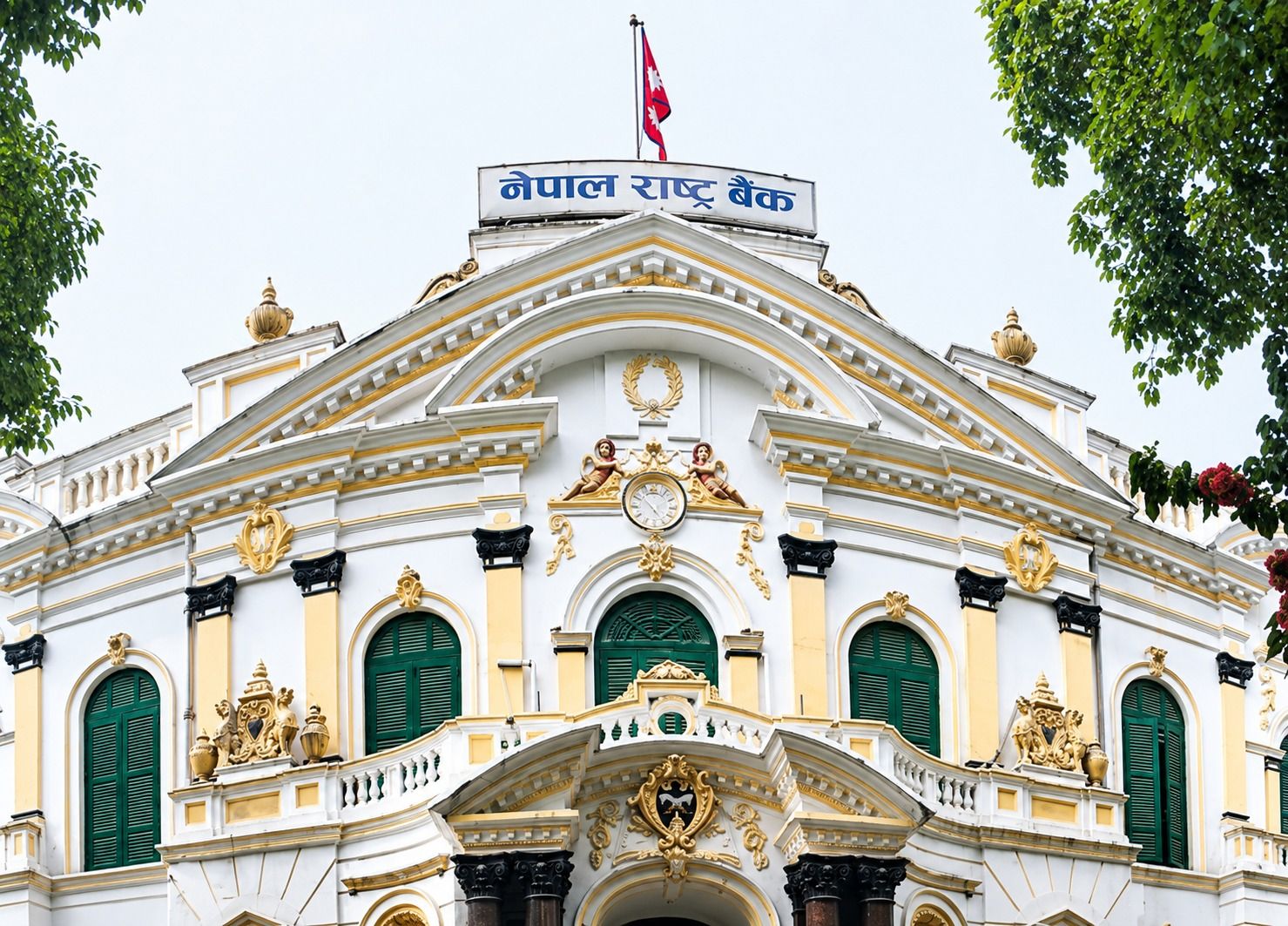
Nepal Rastra Bank Unveils Daily Reference Rates for Major Foreign Currencies
Nepal's central bank, Nepal Rastra Bank (NRB), has issued its official foreign exchange rate schedule for today, Monday. The benchmark update positions the selling price of the US Dollar at Rs. 151.34 and the European Euro at Rs. 172.29, serving as the foundational metrics for commercial banking counters nationwide.
3 months ago
Monday Market Watch: Gold Dips to Rs. 2,82,400 per Tola
Both gold and silver prices registered a decline in the Nepalese market on Monday, Ashar 15. Gold dropped by Rs. 1,400 per tola, while silver prices saw a minor decrease of Rs. 15 per tola compared to Sunday's trading rates.
3 months ago
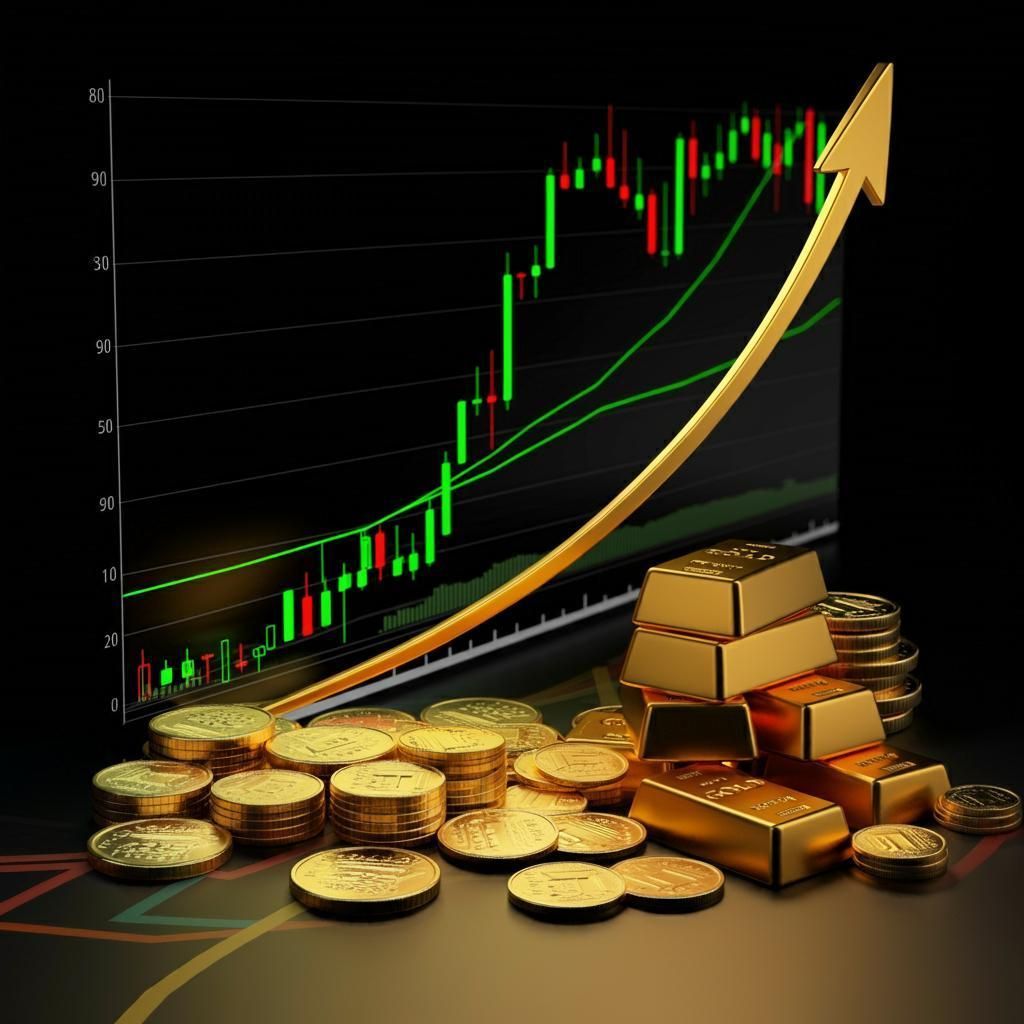
Massive Surge in Bullion Market: Gold Shoots Up by Rs 4,700 in a Single Day
The domestic precious metals market witnessed a historic single-day spike on Sunday, with gold prices rising by Rs 4,700 per tola and silver increasing by Rs 145 per tola, according to the Federation of Nepal Gold and Silver Dealers' Association.
3 months ago
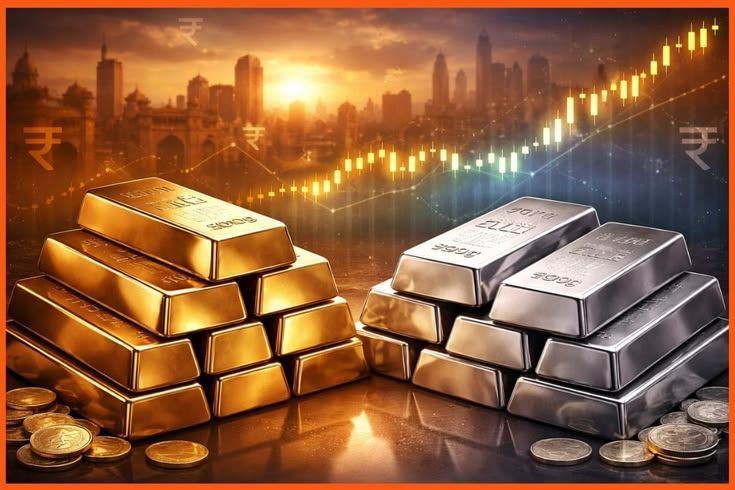
Gold Prices Rise While Silver Drops; Gold Fixed at रू 2,79,100 Per Tola
According to the Federation of Nepal Gold and Silver Dealers' Association, domestic gold prices climbed by रू 800 per tola today, whereas silver witnessed a decline of रू 55 per tola.
3 months ago