Lawmakers Seek Major Overhaul of NRB Leadership and Board Structure
Lawmakers have proposed sweeping amendments to the Nepal Rastra Bank (Third Amendment) Bill, seeking to reform the central bank's leadership selection process, strengthen institutional independence, enhance transparency, and ensure greater inclusiveness in its Board of Directors.
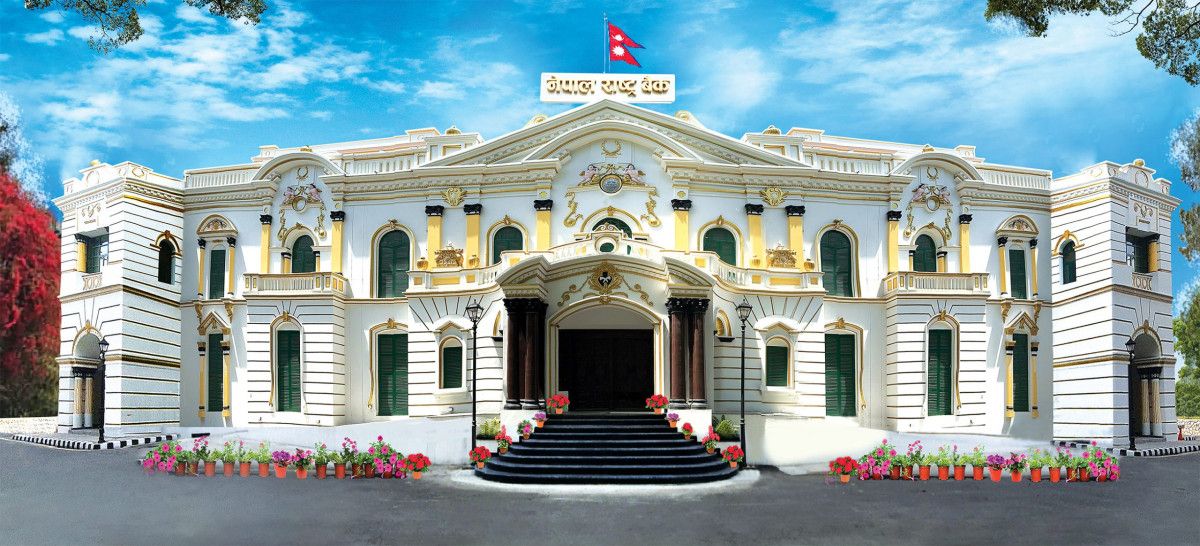
Several lawmakers have registered amendments to the Nepal Rastra Bank (Third Amendment) Bill, 2083, proposing significant reforms to the appointment of the Governor, Deputy Governors, and the structure of the central bank's Board of Directors. The proposals aim to reduce political influence and institutional syndicates while strengthening the autonomy, professionalism, and transparency of Nepal Rastra Bank (NRB). Among the key recommendations is expanding the Deputy Governor selection process to include qualified economists and banking experts from outside the central bank, ending the long-standing practice of limiting appointments to senior NRB officials. The proposed amendments also seek to prevent conflicts of interest by barring the Finance Secretary and current or recently retired commercial bank CEOs from serving on the NRB Board. In addition, lawmakers have called for mandatory female representation on the Board, a reduction of the Governor and Deputy Governors' tenure from five years to four, and the introduction of a cooling-off period before former senior officials become eligible for the Governor's post. The governance-related proposals have emerged as one of the most debated aspects among the 77 amendments registered to the bill and are expected to play a central role in upcoming parliamentary discussions.