Government Plans 450-Kg LPG Cylinders to Curb Misuse of Cooking Gas Subsidies
The government is preparing to introduce large-capacity LPG cylinders of up to 450 kg to prevent industries, hotels, and restaurants from misusing subsidized household cooking gas. A government-formed task force has recommended a four-tier cylinder classification system, proposing to retain subsidies exclusively for household consumers while eliminating them for commercial and industrial users.
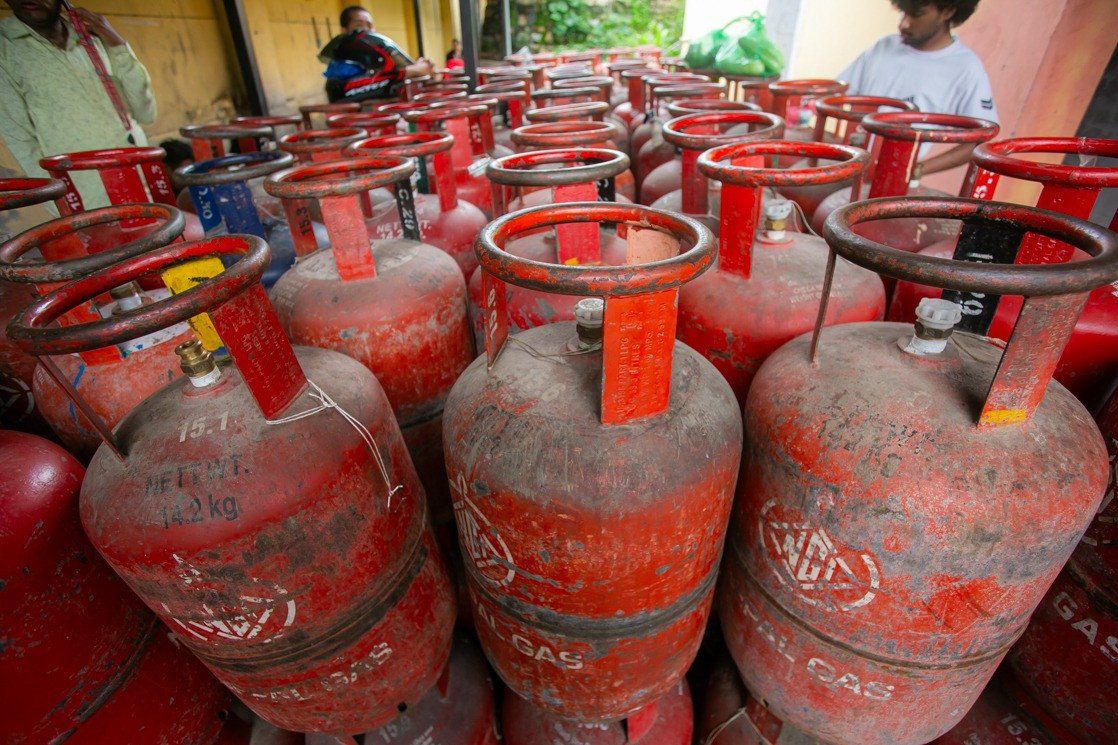
The Ministry of Industry, Commerce and Supplies-formed study task force has recommended introducing four categories of LPG cylinders based on their intended use. The proposal aims to separate commercial and industrial consumers from subsidized household gas supplies and address the long-standing problem of subsidy leakage. Under the proposed system, 14.2-kg cylinders will be reserved for household use and will continue receiving government subsidies. Small and medium-sized hotels and restaurants will use 19.2-kg cylinders, while hospitals and institutional establishments will use 45-kg cylinders. Large industries and manufacturing facilities will be supplied with 450-kg jumbo cylinders. The task force has recommended removing government subsidies from all commercial and industrial cylinder categories, retaining financial support only for household consumers. If implemented, the proposal would effectively establish a dual-pricing system, with subsidized rates for households and cost-based prices for commercial and industrial users. Currently, although 19-kg cylinders are designated for commercial purposes, many hotels, restaurants, and businesses continue using cheaper 14.2-kg household cylinders due to weak monitoring and price differences. The proposed introduction of 450-kg cylinders is also expected to improve industrial safety and reduce operational difficulties. At present, many industries connect dozens of smaller cylinders through manifold systems to meet their high gas consumption requirements. This practice increases the risk of gas leaks and fire accidents while adding labour and transportation costs. The availability of large-capacity cylinders would allow industries to receive a continuous gas supply at the required pressure, reducing the need to frequently replace and connect smaller cylinders. According to the National Statistics Office's 2021 census, approximately 44.3% of Nepali households use LPG for cooking. Nepal imports around 500,000 metric tonnes of LPG annually, with commercial and industrial sectors estimated to account for nearly 20% of total consumption. Currently, 58 LPG bottling plants operate across the country, primarily filling 14.2-kg and 19.2-kg cylinders. To implement the proposed system, the Department of Standards and Metrology will need to establish and certify safety standards for 45-kg and 450-kg cylinders, including requirements for cylinder thickness, valves, regulators, and pressure control. The task force has already submitted its report to the ministry's secretary. However, implementation will require legal amendments, technical preparations, and the development of necessary infrastructure. The proposed reform is expected to reduce government subsidy leakage, ease pressure on the Nepal Oil Corporation, and ensure that state support reaches the intended household consumers.