NRB Faces Pressure to Align Upcoming Monetary Policy With Private Sector-Friendly Budget Propositions
Despite an exceptionally strong external sector fueled by record remittance inflows and robust foreign exchange reserves, Nepal’s domestic economy remains trapped in a sluggish state, prompting private sector leaders to demand an investment-friendly upcoming Monetary Policy for FY 2083/084 to revive business confidence and stimulate market demand.
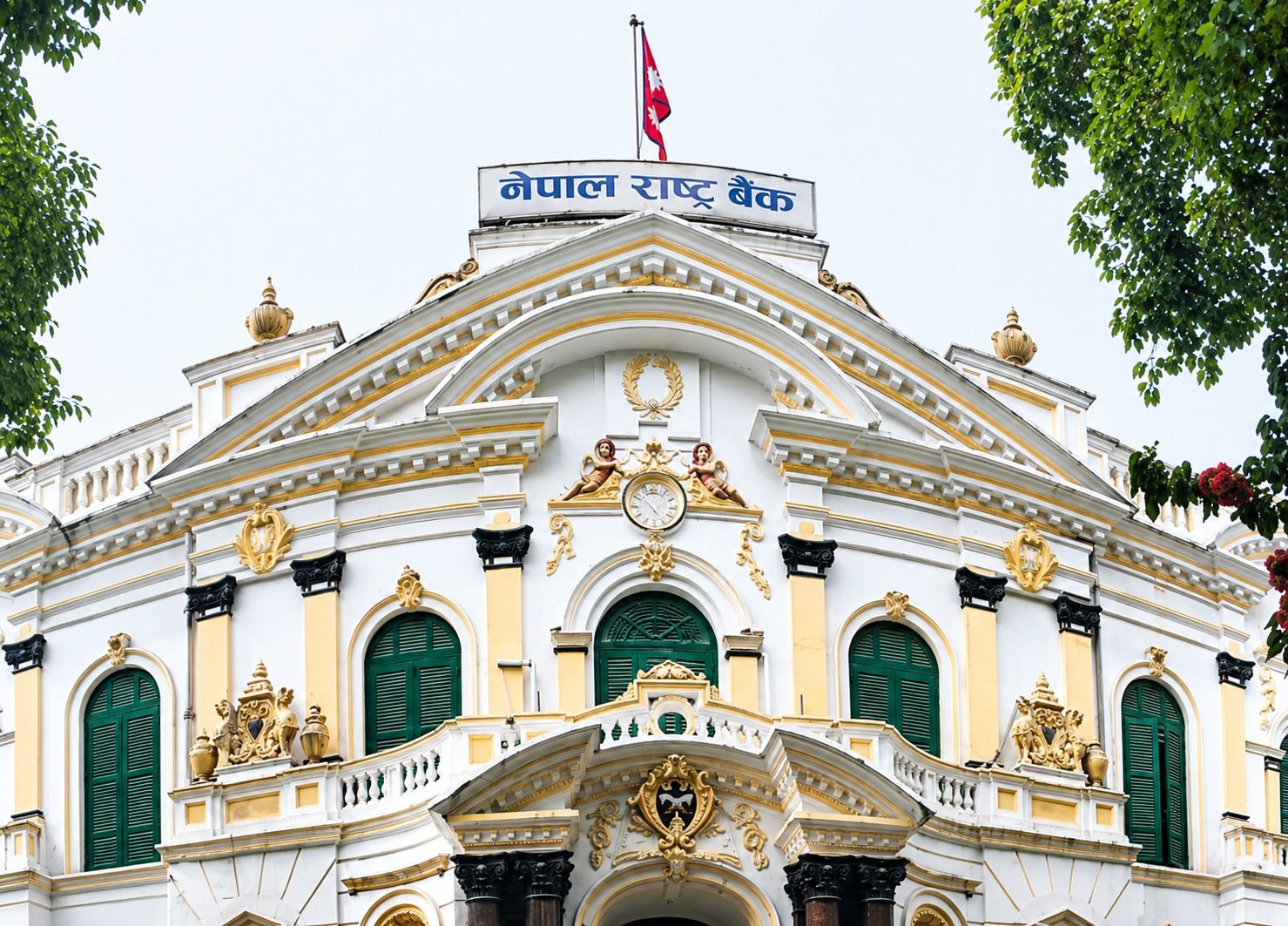
Nepal’s economy is displaying an unprecedented policy paradox as it prepares for the upcoming Fiscal Year 2083/084 monetary announcement. On one hand, external indicators are at their most robust levels in recent history: record-breaking remittance inflows reached रू 19 kharba 16 arba in just 10 months, inflating foreign exchange reserves by 38.3% to a historic रू 37 kharba 4 arba 55 crore—enough to fund over 19 months of imports. On the other hand, the domestic economy is locked in a severe demand-side recession that has persisted since the "Gen Z" movement disruptions, forcing the closure of over 38,000 business establishments. This stagnation has left commercial banks flush with over रू 13 kharba in unutilized investable funds, driving average loan interest rates down to a rock-bottom 6.9%. Because credit growth to the private sector has stalled at a mere 5.7%, private sector bodies like CNI and NCC are demanding that the central bank shift its focus away from rigid price stability and toward aggressive economic recovery. They are urging Nepal Rastra Bank to permanently lock in single-digit interest rates, relax the working capital guidelines, and broaden financial access to prevent further credit stagnation and fulfill the government’s ambitious 7% GDP growth target.