Government Formation Talks Intensify in Bagmati After UML Withdraws Support
Political parties in Bagmati Province have stepped up negotiations to form a new government after the CPN (UML) withdrew its support from the Nepali Congress-led administration, triggering a fresh political realignment.
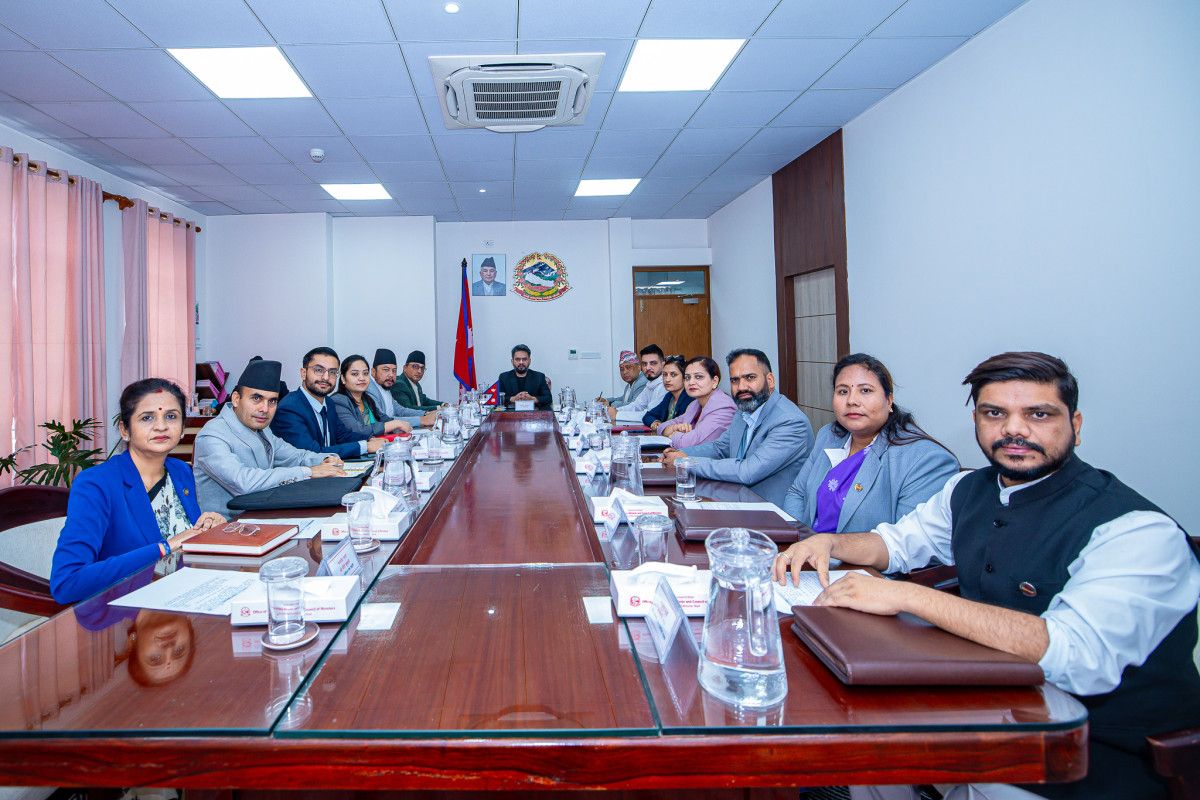
Political parties in Bagmati Province have intensified discussions over the formation of a new provincial government following the CPN (UML)'s decision to withdraw its support from the Nepali Congress. The move has left the current government without a majority, prompting major parties to explore new alliances. The 104-member Bagmati Provincial Assembly currently comprises 36 Nepali Congress lawmakers, 26 from the CPN (Maoist Centre), 25 from the UML, 12 from the Rastriya Prajatantra Party (RPP), three from the Nepal Workers and Peasants Party (NWPP), and two from the Hamro Nepali Party. A minimum of 53 votes is required to form a majority government. Although the UML and the CPN (Maoist Centre) have reached an understanding to form a new government, the two parties together fall short of the required majority and are seeking support from other parties. UML Bagmati Province Parliamentary Party leader Jagannath Thapaliya said discussions are ongoing with potential coalition partners. Meanwhile, Pukar Maharjan, Chief Whip of the Nepali Congress in Bagmati Province, said the party, as the largest force in the provincial assembly, is also working to form a government under its own leadership. The Congress has initiated talks with the Rastriya Prajatantra Party (RPP), Nepal Workers and Peasants Party (NWPP), and Hamro Nepali Party in an effort to secure the numbers needed to lead the next provincial government.