Electricity Bills, Ride-Sharing Costs to Rise as New VAT Rules Take Effect Friday
Consumers in Nepal will face higher daily expenses from Friday as the government begins implementing new VAT provisions on household electricity consumption and ride-sharing services under the new fiscal year's tax policy.
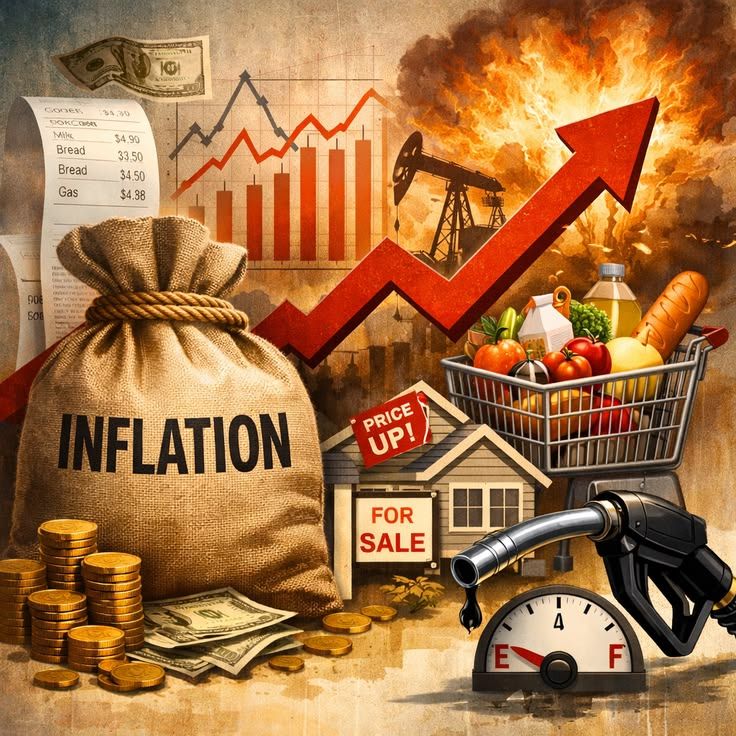
Daily living costs are set to increase from Friday as Nepal's new fiscal policy brings additional taxes on household electricity consumption and ride-sharing services into effect. Under the government's new tax measures introduced through the fiscal year 2083/84 budget, household electricity users consuming more than 50 units per month will now pay a 5 percent Value Added Tax (VAT), while commercial electricity consumers will continue to pay 13 percent VAT. The Nepal Electricity Authority (NEA) has completed the necessary system upgrades and will begin issuing bills under the revised tax structure from Friday. The government has also extended VAT to ride-sharing services, bringing platforms such as Pathao, inDrive, and Yango under the tax regime. Ride-sharing operators are preparing to pass the additional tax on to customers by incorporating a 13 percent VAT into fares, making app-based transportation more expensive for commuters. Operators say they have no alternative but to transfer the tax burden to passengers, citing their already low service margins. The government says the measures are aimed at expanding the tax base and increasing domestic revenue while promoting digital payments and a more formal economy. However, consumer rights advocates argue that imposing additional taxes on essential services such as electricity and widely used transport services will disproportionately affect middle- and lower-income households and could further fuel inflation amid already rising living costs.