Bhote Koshi Flood Victims Face Double Burden of Loss and Bank Debt
Bhote Koshi flood has destroyed homes, land and businesses in Rasuwa and Nuwakot, leaving survivors struggling with bank and cooperative loans. Authorities are studying possible relief measures, including restructuring, rescheduling and loan write-offs in eligible cases.
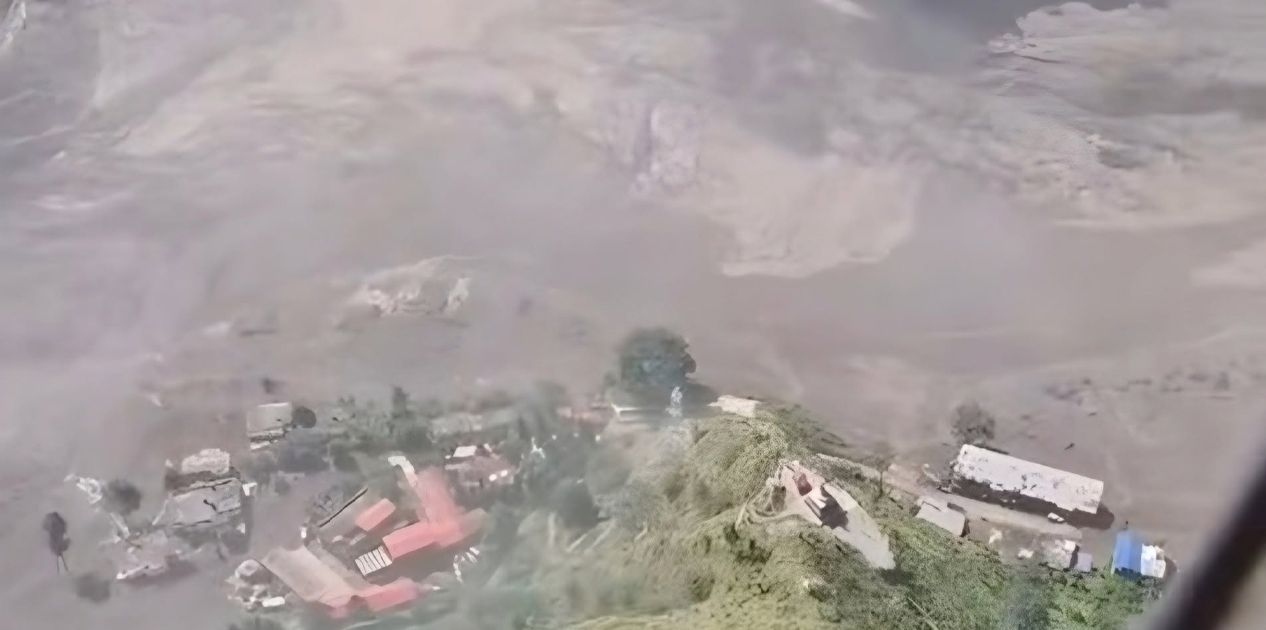
Bhote Koshi flood of Bhadra 10 has devastated settlements along the Bhote Koshi–Trishuli corridor, sweeping away homes, businesses, farmland and years of accumulated assets in Rasuwa and Nuwakot. Many survivors are now left without shelter or a source of income, while their outstanding bank and cooperative loans remain. Flood victims say they are facing a double burden—recovering from the disaster while worrying about how to repay loans taken to build homes and operate businesses. Dipendra Bhandari of Betrawati said his house, built with loans from Investment Mega Bank and Himalayan Bank, was swept away. He said the property was insured when the loan was taken, but the land itself was not insured. Similarly, Ishwar Basnet lost his poultry business, property and parents in the disaster. Tulsi Dhakal also lost her one ropani of land, house and poultry farm that had been established with a loan of around Rs 16 lakh from Himalayan Bank. Victims are calling for government support for reconstruction and facilities that would allow them to restart businesses and livelihoods. The Ministry of Finance has directed Nepal Rastra Bank (NRB) to develop special measures for flood-affected borrowers, including loan rescheduling, restructuring, extension of principal and interest payment deadlines and access to lower-interest financing. NRB spokesperson Guru Prasad Poudel said the central bank is studying the financial impact of the disaster before introducing policy measures. According to NRB, banks and financial institutions cannot independently waive loans in full; complete loan waiver would require a government decision and reimbursement mechanism. However, measures such as interest concessions, penalty waivers, rescheduling and restructuring may be considered. Existing regulations also allow eligible loans to be written off when projects are completely destroyed by natural disasters or when recovery becomes impossible under specified conditions. The flood has also affected the banking sector itself. According to the Nepal Bankers Association, banks had approximately Rs 2.42 billion in loans in the affected areas, largely backed by real estate and small and medium-sized businesses. A preliminary damage assessment estimates around Rs 720 million in damage to banks' physical assets, while approximately Rs 196 million in ATM cash was swept away. Direct losses to the banking sector are estimated at around Rs 920 million, with restoration costs projected at Rs 1.086 billion. With land, homes and businesses physically washed away, flood victims are now awaiting a clear government policy on how their outstanding debts will be handled.