Banking News
Muktinath Mutual Fund 2 Extends IPO Deadline to Ashoj 15
Muktinath Capital has extended the application period for its second mutual fund, Muktinath Mutual Fund 2, allowing investors to apply until Ashoj 15.
18 days ago
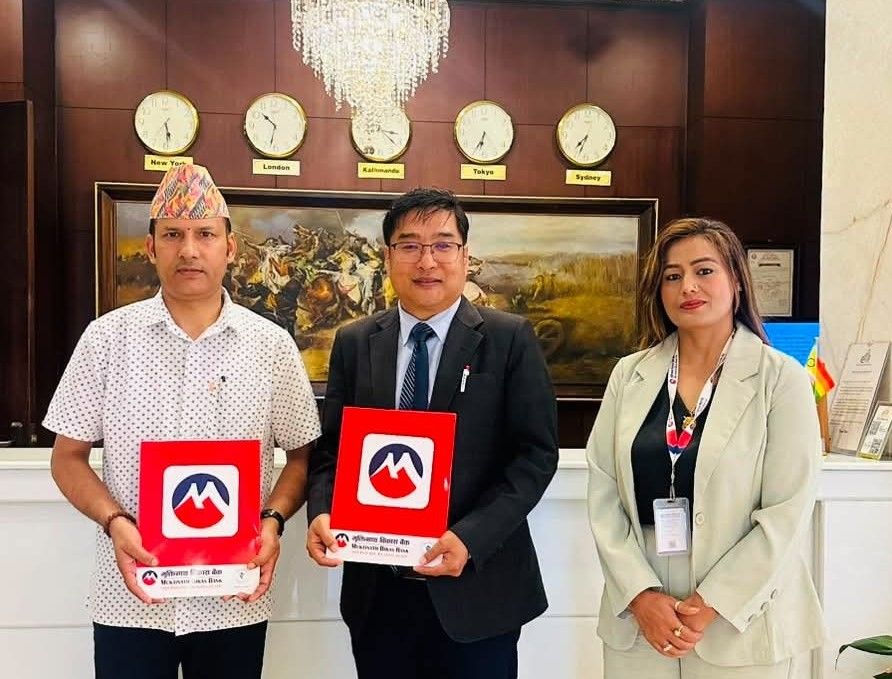
Muktinath Development Bank Customers to Get Up to 30% Discount at KGH Hotels
Muktinath Development Bank Limited has entered into a business agreement with KGH Group of Hotels and Resorts to provide its customers with special discounts of 10% to 30% on various hotel and resort services.
19 days ago
NRB Introduces New NID Rules for Digital Wallet Users
Nepal Rastra Bank (NRB) has introduced new provisions requiring licensed payment service providers to verify and update National Identity Card (NID) details of digital wallet users.
19 days ago
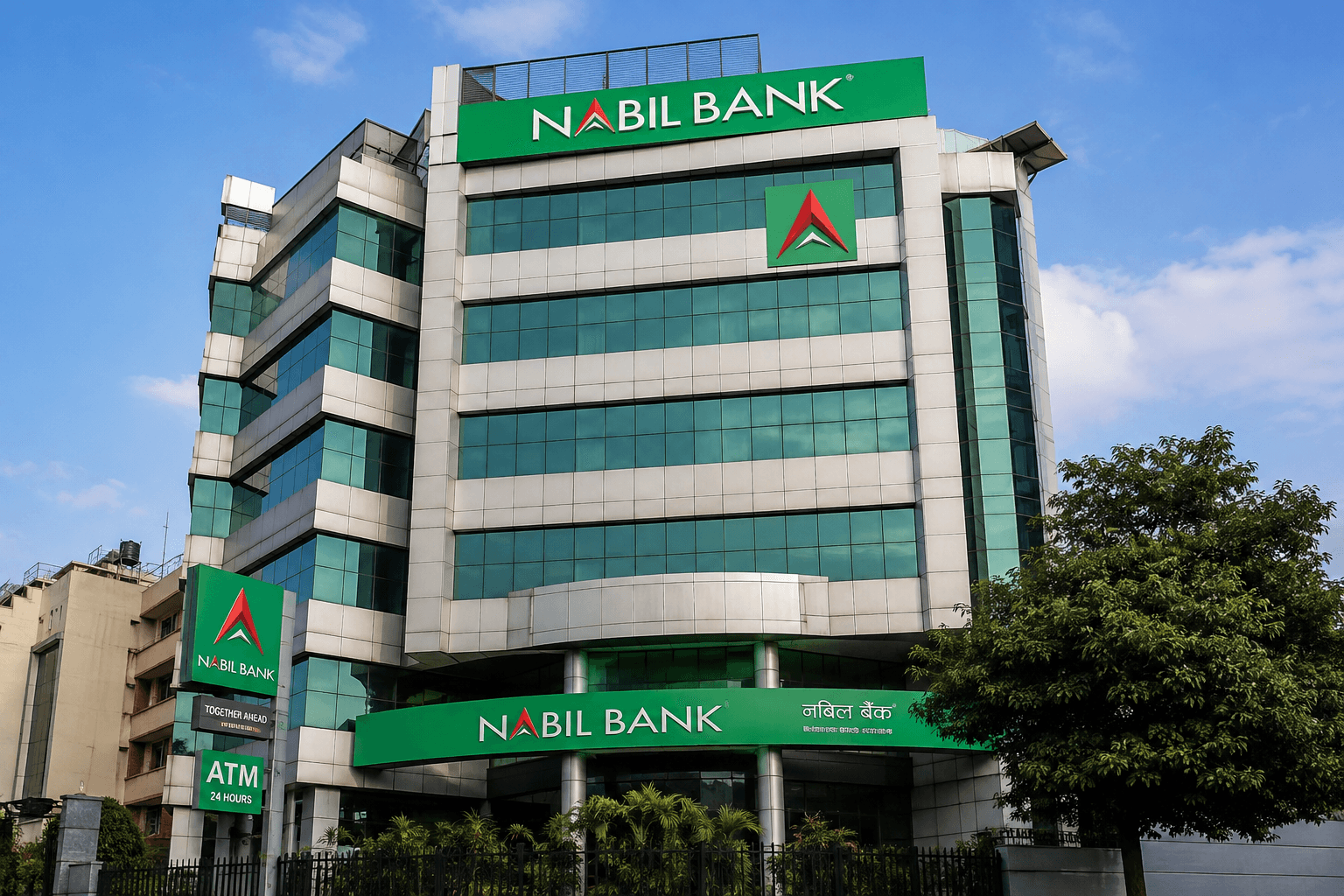
NBF2 & NBF3 Dividend Alert: Today Last Day!
Today is the final day for investors to secure the proposed dividends of Nabil Balanced Fund-2 (NBF2) and Nabil Balanced Fund III (NBF3) for FY 2082/83.
19 days ago
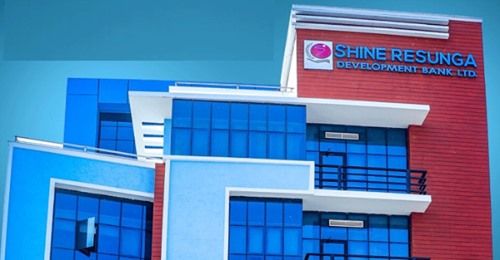
Shine Resunga Development Bank has called its 18th AGM for Ashwin 28 to approve a 16% dividend for FY 2082/83.
Shine Resunga Development Bank Limited (SHINE) has scheduled its 18th Annual General Meeting (AGM) for Ashwin 28, 2083. The meeting will be held at Hotel Saffron C.K. Private Limited, Butwal, Rupandehi, starting at 11:30 AM.
20 days ago
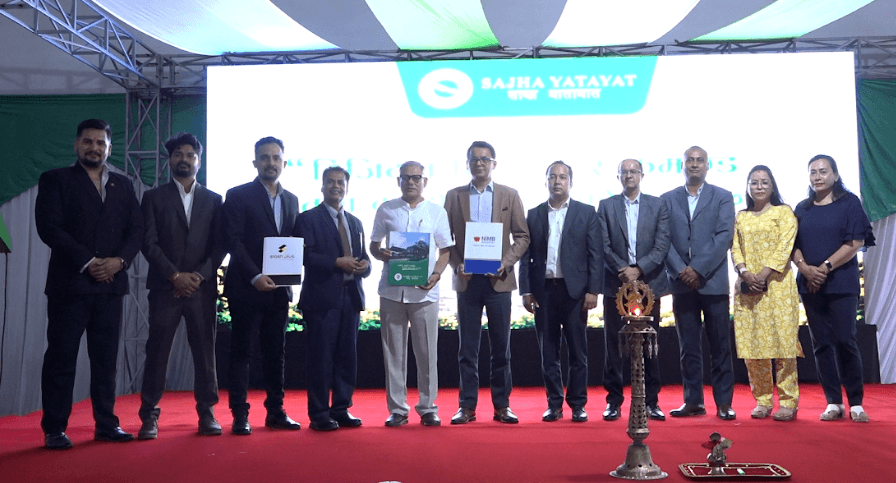
NIMB Partners with Sajha Yatayat to Enable Digital Bus Fare Payments
Nepal Investment Mega Bank has joined hands with Sajha Yatayat to facilitate cashless and secure digital fare payments through POS machines on Sajha buses.
21 days ago
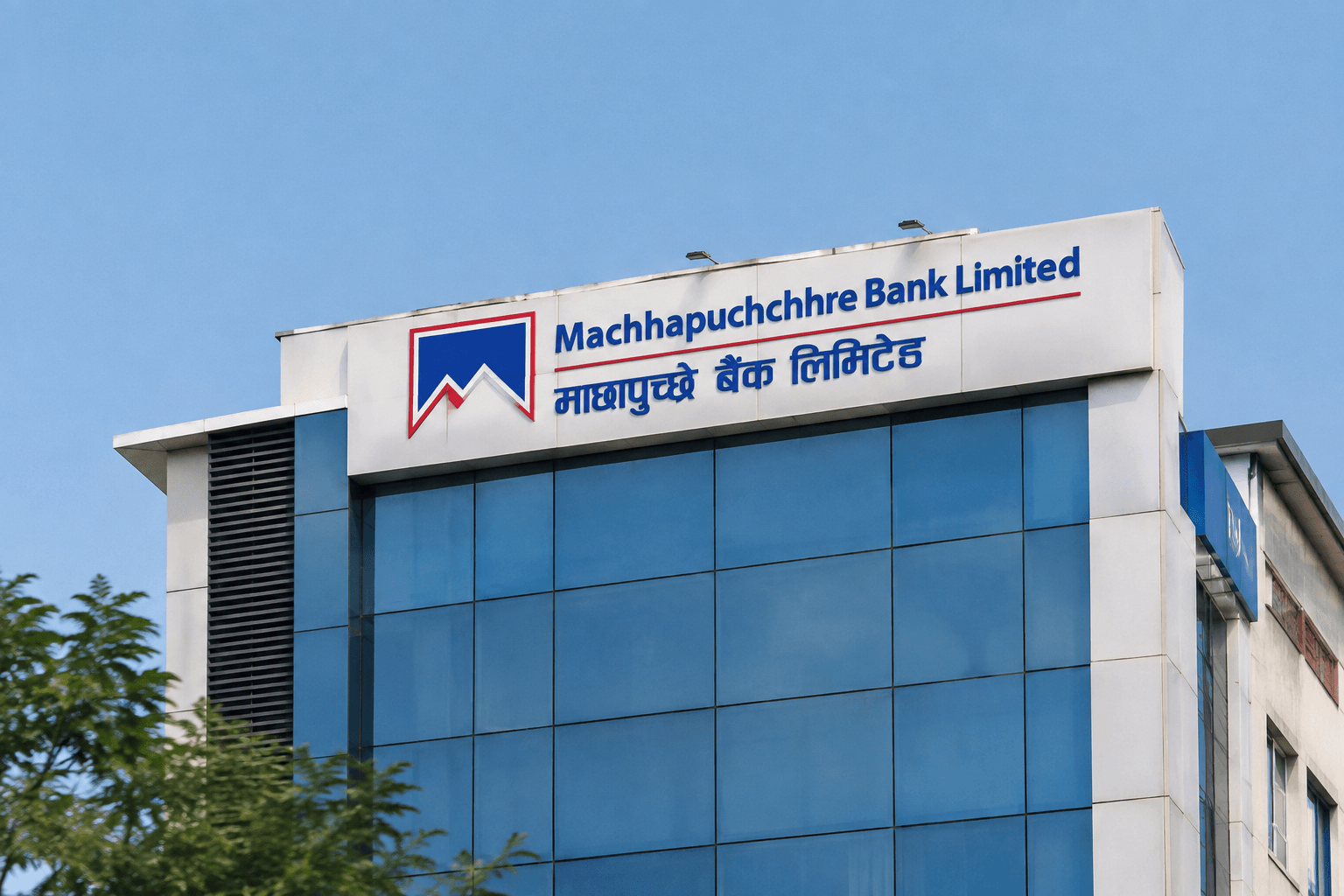
Machhapuchchhre Bank Calls 28th AGM, Proposes 6% Dividend for FY 2082/83
Machhapuchchhre Bank has scheduled its 28th AGM for Ashwin 28, where shareholders will vote on a 6% dividend comprising 3% bonus shares and 3% cash dividend.
21 days ago
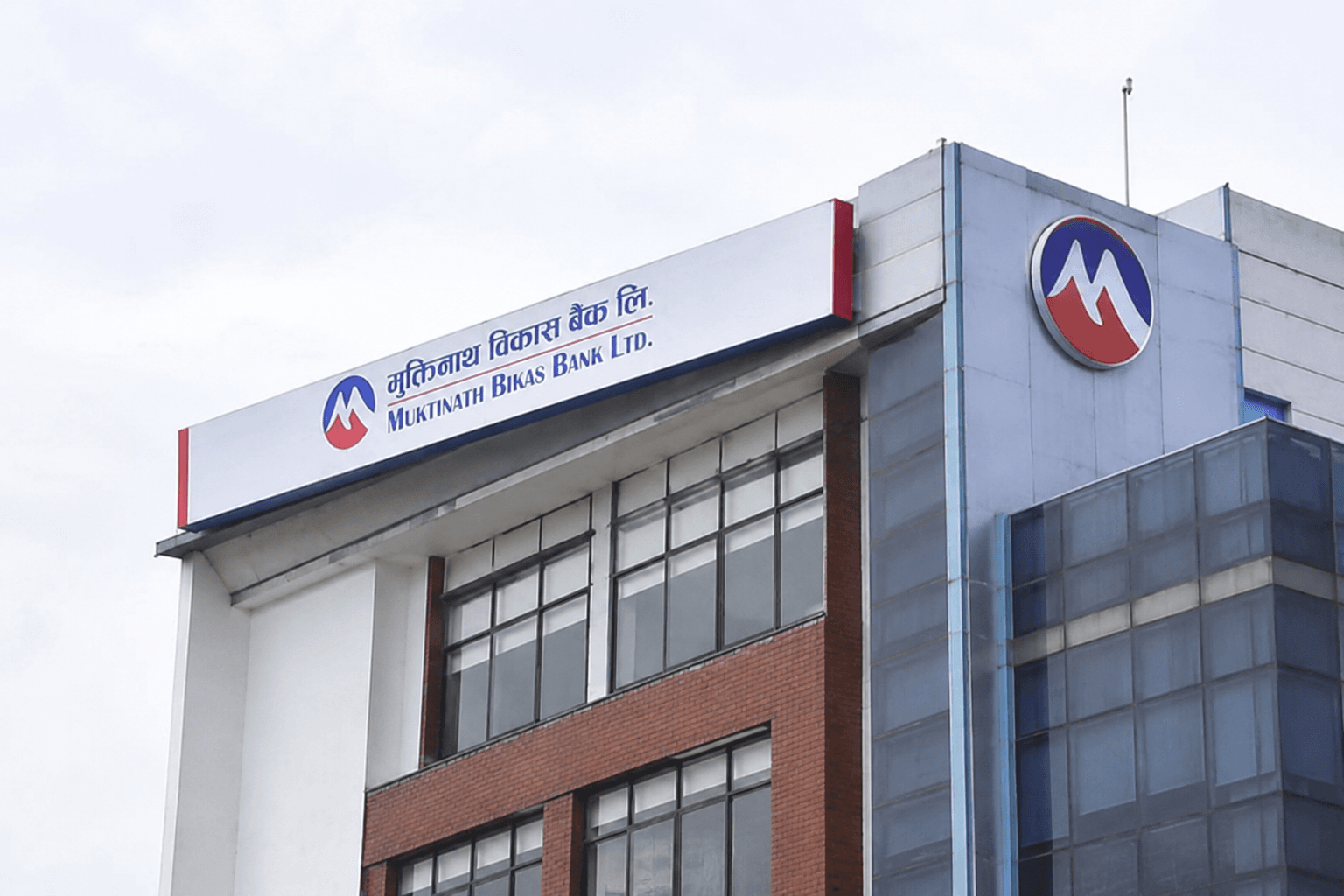
Muktinath Development Bank Launches Special Home Loan Scheme at Base Rate + 0.25%
Muktinath Development Bank has introduced a special home loan scheme offering financing of up to 80% of assessed property value for first-time homebuyers, with the offer valid until the end of Kartik 2083.
23 days ago
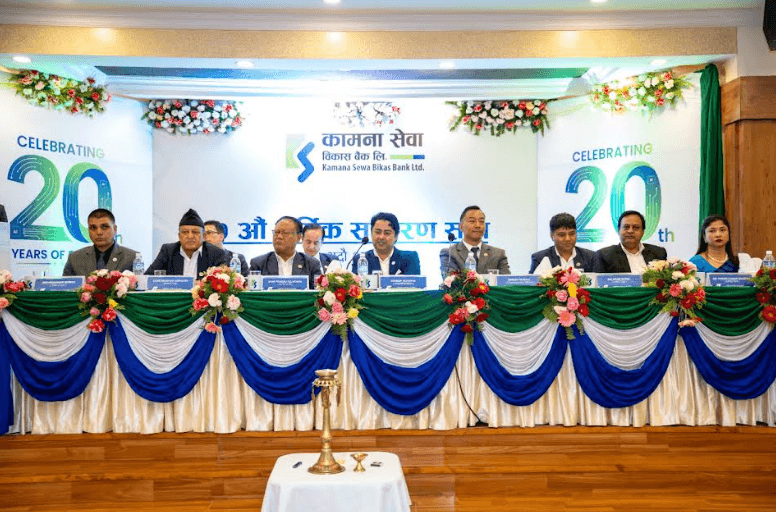
KSBBL Approves 15% Cash Dividend for FY 2082/83
Kamana Sewa Bikas Bank has approved a 15% cash dividend, including tax, for ordinary shareholders for FY 2082/83 at its 20th AGM.
24 days ago

Muktinath Bikas Bank Signs MoU with Karma Residencies for Home Loans
Muktinath Bikas Bank and Karma Residencies have partnered to provide home loan facilities to customers purchasing residential and apartment units at Karma Residencies in Maharajgunj.
24 days ago
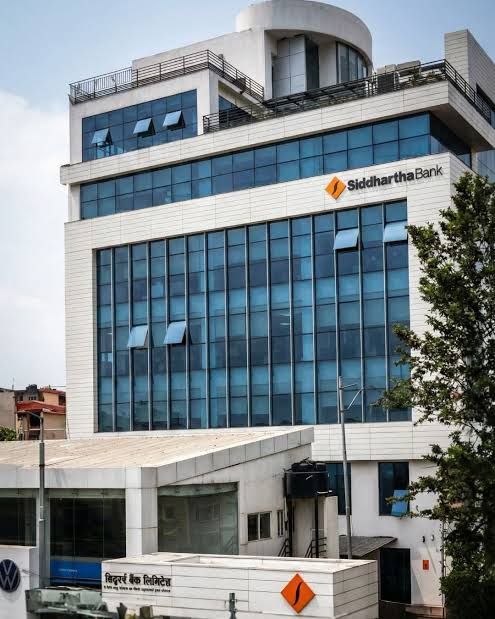
Siddhartha Bank Proposes 20% Dividend for FY 2082/83
Siddhartha Bank Limited has proposed a 20% dividend, comprising 10% bonus shares and 10% cash dividend, for the fiscal year 2082/83.
24 days ago
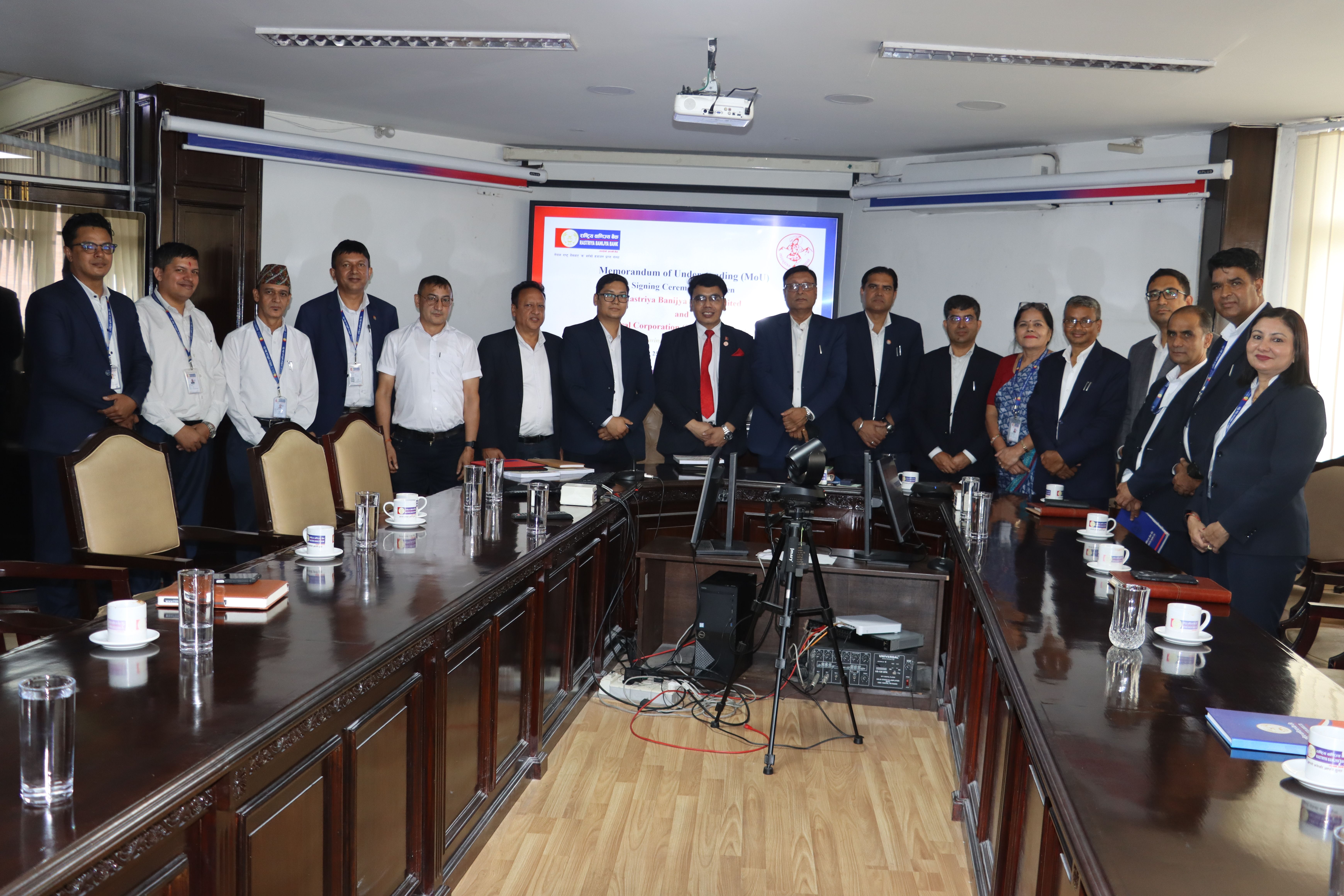
RBB Signs MoU with Sanskritik Sansthan to Offer Concessional Banking Services
Rastriya Banijya Bank (RBB) and Sanskritik Sansthan have signed an MoU to provide salary accounts, professional loans and other banking services to the institution’s employees at concessional rates.
a month ago