
Skip to content
|Loading...
Share Gyan home
EBook

Major Breakthrough in MRP Standoff: Importers Exempt from Labeling at Customs Points for Now!

The Nepal government has temporarily eased mandatory MRP labeling requirements at customs points, allowing importers to clear goods through self-declaration. This move aims to resolve a heated dispute between authorities and the business community over logistical challenges and infrastructure.

Published By Share Gyan
Major Breakthrough in MRP Standoff: Importers Exempt from Labeling at Customs Points for Now!

The ongoing dispute between the government and the business community regarding the mandatory labeling of Maximum Retail Price (MRP) on imported and locally produced goods has temporarily cooled down. Importers are no longer required to affix MRP labels at customs points; instead, the Department of Customs has simplified the process, allowing goods to pass based on a self-declaration of the MRP.

This resolution follows discussions between the Ministry of Finance, the Ministry of Industry, Commerce, and Supplies, and the Department of Commerce to address the backlog of goods at various customs offices. Director General of the Department of Customs, Shyam Prasad Bhandari, stated that instructions have been sent to customs offices nationwide to implement this self-declaration system. He explained that while physical stickers are not required at the border, importers must provide a written commitment and declare details such as product name, brand, model, quantity, purchase price, and the intended MRP.

However, the requirement to label products remains mandatory before they reach the retail market. Business leaders, including Nepal Chamber of Commerce President Kamlesh Agrawal, have argued that Nepal’s lack of infrastructure makes labeling at customs impractical. While the legal requirement for labeling stems from the Consumer Protection Act of 2018 (2075 BS), the government's recent strict enforcement had created significant friction with the private sector. For now, the self-declaration compromise allows trade to resume without immediate labeling at the point of entry.
Maya Khola Hydropower's Net Profit Surges 124.52% to Rs 6.38 Crore in Q1

Maya Khola Hydropower Company Limited (MKHC) has reported a 124.52 percent increase in net profit, earning Rs 6.38 crore in the first quarter of FY 2083/84, compared to Rs 2.84 crore in the same period last year. Higher electricity sales revenue and lower interest expenses supported the company's improved profitability.

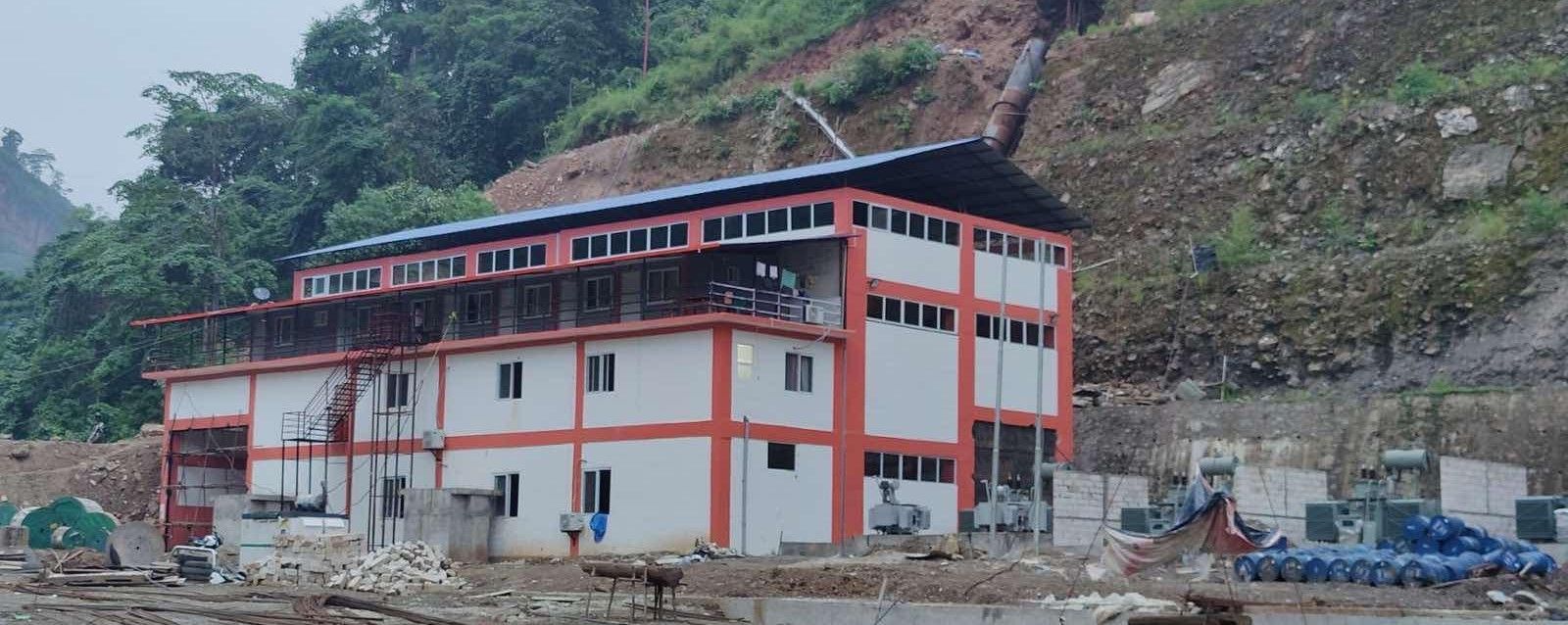
Khani Khola Hydropower Turns Profitable, Reports Rs 3.65 Crore Net Profit in Q1

Khani Khola Hydropower Company Limited (KKHC) has made a remarkable financial turnaround, reporting a net profit of Rs 3.65 crore in the first quarter of FY 2083/84, compared to a net loss of Rs 1.89 crore in the same period last year.

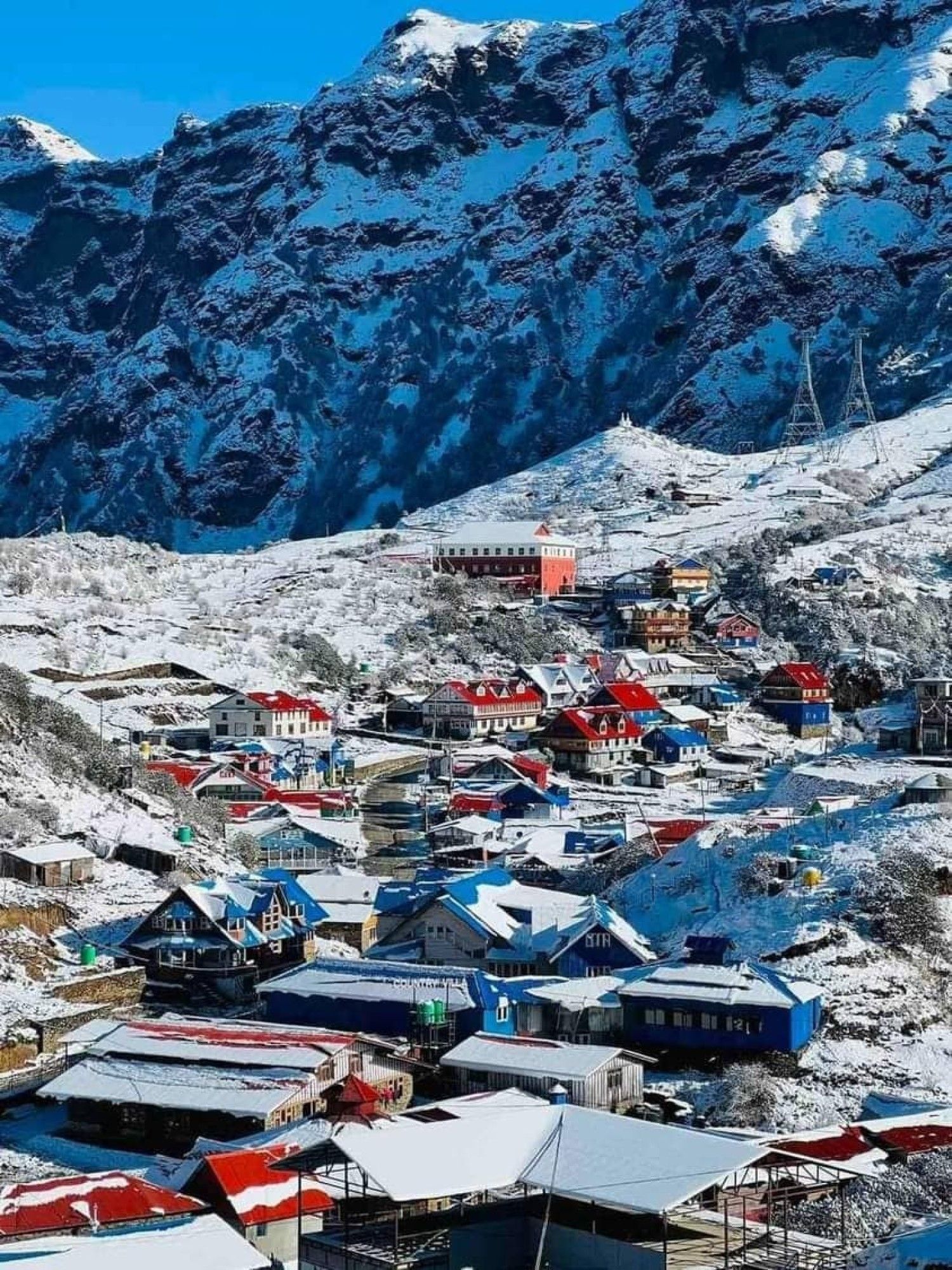
Kalinchowk Darshan Reports Higher Quarterly Loss as Flood Disrupts Tourism

Kalinchowk Darshan Limited (KDL) reported a net loss of Rs 4.596 million in the first quarter of FY 2083/84, up from Rs 3.386 million in the same period last year. The decline was largely attributed to the devastating Bhotekoshi floods, which disrupted road access and reduced tourist arrivals.

Gold Price Edges Up by Rs 600, Silver Declines in Nepali Market

Gold prices in Nepal increased by Rs 600 per tola on Wednesday, reaching Rs 275,600, while silver prices dropped by Rs 20 to Rs 3,655 per tola, according to the Federation of Nepal Gold and Silver Dealers' Association.

Gold Price Rises by Rs 700, Silver Declines by Rs 45 in Nepal

Gold prices increased slightly in the Nepali market on Tuesday, while silver prices recorded a decline, according to the Federation of Nepal Gold and Silver Dealers' Association.

Makar Jitumaya Suri Hydropower Proposes 13.6842% Dividend for FY 2082/83

Makar Jitumaya Suri Hydropower Limited has proposed a 13.6842% dividend for its shareholders for FY 2082/83, comprising 13% bonus shares and 0.6842% cash dividend to cover tax obligations.