Historic US-Iran Peace Pact Achieved to End Four-Month Conflict; Official Signing Set for Friday in Switzerland
In a landmark diplomatic breakthrough mediated by Pakistan, the United States and Iran have agreed to an immediate and permanent ceasefire across all fronts. Following confirmations from Pakistani Prime Minister Shehbaz Sharif and US President Donald Trump, the strategic Strait of Hormuz will completely reopen this Friday, promising immense relief to a strained global economy.
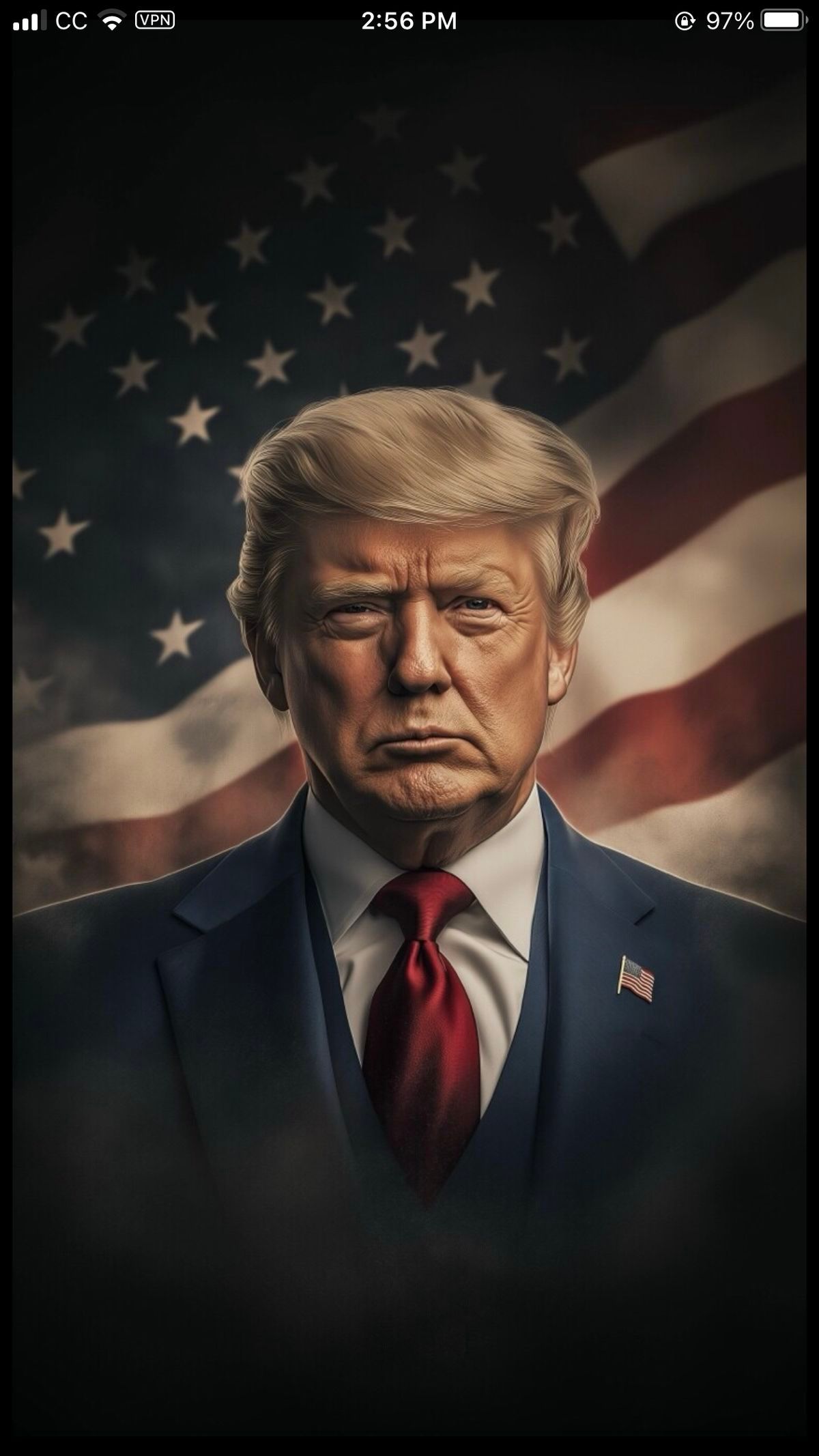
The devastating four-month-old military conflict between the United States and the Islamic Republic of Iran is drawing to a close following the successful brokering of a historic peace treaty. Pakistani Prime Minister Shehbaz Sharif, acting as the primary mediator, announced via social media on Sunday that both nations have mutually committed to an immediate and permanent cessation of hostilities across all fronts, including Lebanon. This critical diplomatic breakthrough is scheduled to be codified during an official signing ceremony in Switzerland on Friday, June 19. Shortly after Pakistan's announcement, US President Donald Trump confirmed the finalized pact via Truth Social, issuing immediate authorization to dismantle the US Navy blockade on Iranian ports and reopen the strategically vital Strait of Hormuz for fee-free global navigation starting this Friday. While Iran’s Supreme National Security Council confirmed it has finalized the Memorandum of Understanding (MoU) to halt military maneuvers, Tehran noted that further talks regarding subsequent phases will remain suspended until Washington fully executes its initial naval and trade commitments. The sudden resolution has injected a powerful wave of optimism into the global economy, which has suffered severe supply chain shocks, soaring energy prices, and compounding inflation since the war erupted in late February. The blockade of the Strait of Hormuz—the world’s most critical maritime energy artery—had driven annual US consumer inflation to a three-year high of 4.2% in May and forced the European Central Bank (ECB) to hike interest rates by 25 basis points last week for the first time since 2023. Welcoming the ceasefire, Qatar's Foreign Ministry hailed the accord as a monumental step toward sustainable regional peace and economic development, while European powers including the UK, Germany, France, and Italy issued a joint declaration expressing readiness to lift economic sanctions provided Iran maintains absolute transparency with the IAEA regarding its nuclear program. Although last-minute missile exchanges between the Israel Defense Forces (IDF) and Iran-backed Hezbollah in Lebanon briefly threatened to derail the talks, strict de-escalation warnings from President Trump successfully preserved the diplomatic corridor, effectively steering the global market away from an aggressive, prolonged high-interest-rate environment.