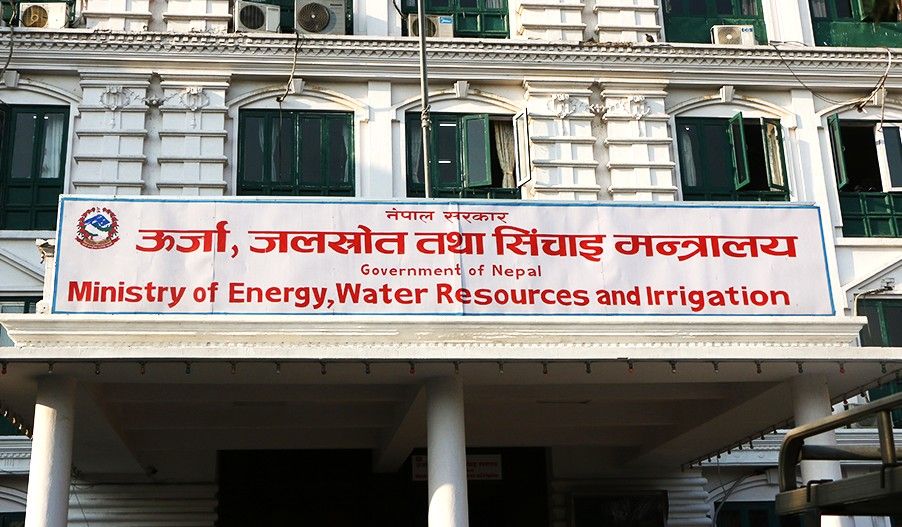
Nepal has taken a step toward opening its electricity trading sector to private companies, ending the long-standing dominance of government entities in electricity buying and selling. Although private sector investment has expanded significantly in electricity generation, private companies have yet to gain a direct role in electricity trading. The Ministry of Energy, Water Resources and Irrigation has now started issuing Letters of Intent (LOIs) to companies seeking to enter the sector. According to the ministry, 11 out of 15 companies that applied for electricity trading have received LOIs so far. Ministry Co-spokesperson Shaligram Bhandari confirmed that 11 companies had received the letters by last Friday, adding that the remaining applicants would also receive them after completing the necessary procedures. The distribution of LOIs has attracted attention, particularly after Nepal Power Exchange Limited (NEPEX) and Green Energy Power Trading, companies associated with Ganesh Karki, former president of the Independent Power Producers' Association Nepal (IPPAN) and an adviser to the Energy Minister, also received the letters. Their inclusion has raised questions regarding the fairness, transparency, and potential conflict of interest in the government's decision-making process. Karki, however, has denied that the process was designed to benefit any particular individual or group. He maintained that all eligible companies that applied for electricity trading had received LOIs after fulfilling the required procedures. He also argued that the process had been portrayed as though he alone had received the opportunity. Importantly, receiving an LOI does not grant companies immediate permission to buy or sell electricity. It is only an initial step that allows them to assess market opportunities, identify potential business partners, and prepare for future operations. Companies must complete additional legal and regulatory requirements and obtain the necessary approvals from concerned authorities before commencing electricity trading. Nepal's private sector has invested billions of rupees in hydropower development, with dozens of projects under construction and electricity generation capacity continuing to expand. However, the Nepal Electricity Authority (NEA) has maintained a dominant role in purchasing, selling, and cross-border electricity trading. As private investment in generation increases, demands have also grown for expanding private sector participation in electricity trading. Allowing private companies to enter the trading market is expected to provide electricity producers with additional market opportunities and encourage competition in electricity transactions. It could also help explore new export opportunities in regional markets, particularly India and Bangladesh, while improving market management, investment, and commercial efficiency. Nevertheless, companies receiving LOIs cannot immediately engage in electricity transactions, book transmission capacity, or conduct cross-border electricity trade. Such activities require further legal provisions, regulatory approvals, and authorization from the relevant authorities. In particular, exporting electricity to India requires approval from the concerned Indian authorities and access to the country's transmission infrastructure. Therefore, companies must fulfill all applicable requirements before beginning actual trading operations. Opening electricity trading to private companies could mark an important development in Nepal's energy market. However, its success will depend on transparent procedures, clear legal provisions, fair competition, and impartial regulation. Whether private companies will be able to compete on equal terms with government entities remains a key question as the government moves forward with the initiative.
11 Companies Receive LOIs to Enter Nepal’s Electricity Trading Market
The government has begun opening Nepal’s electricity trading sector to private companies, with 11 out of 15 applicants already receiving Letters of Intent (LOIs) from the Ministry of Energy, Water Resources and Irrigation. However, questions have emerged over transparency and potential conflicts of interest involving companies linked to an energy minister’s adviser.
Published By Share Gyan