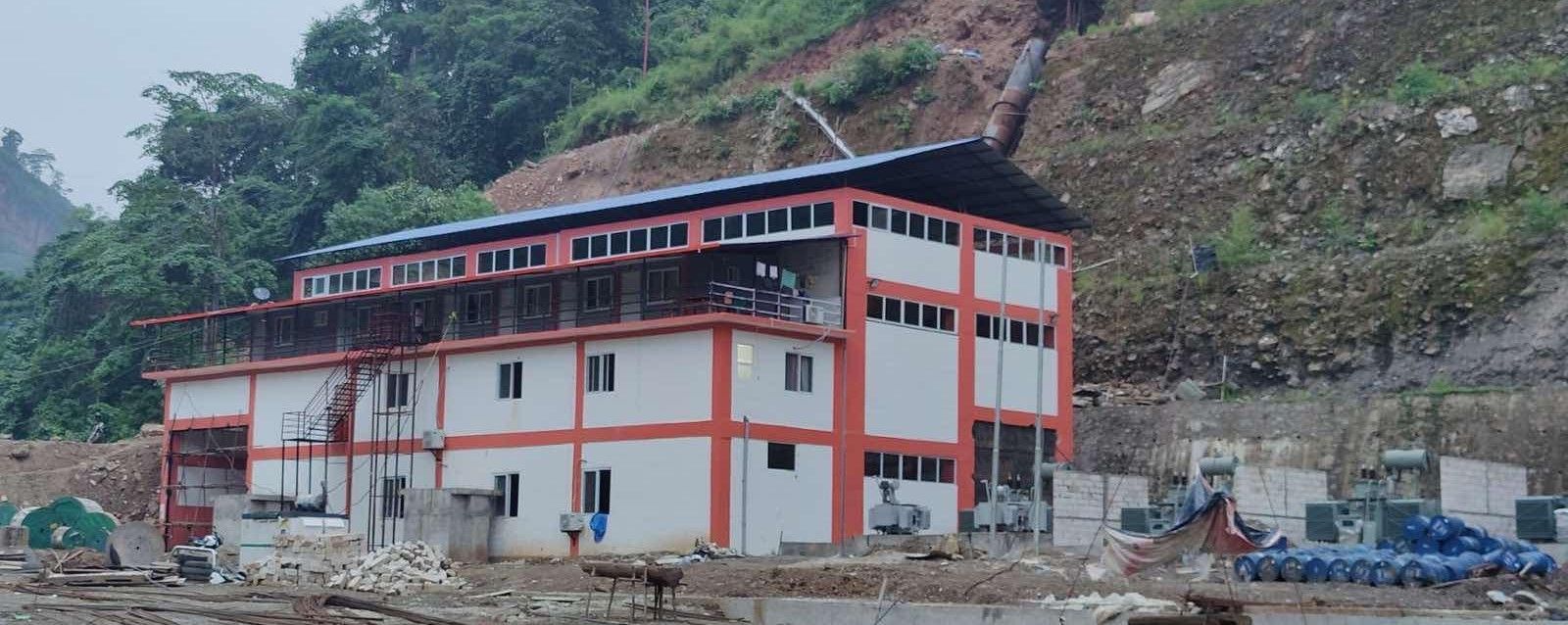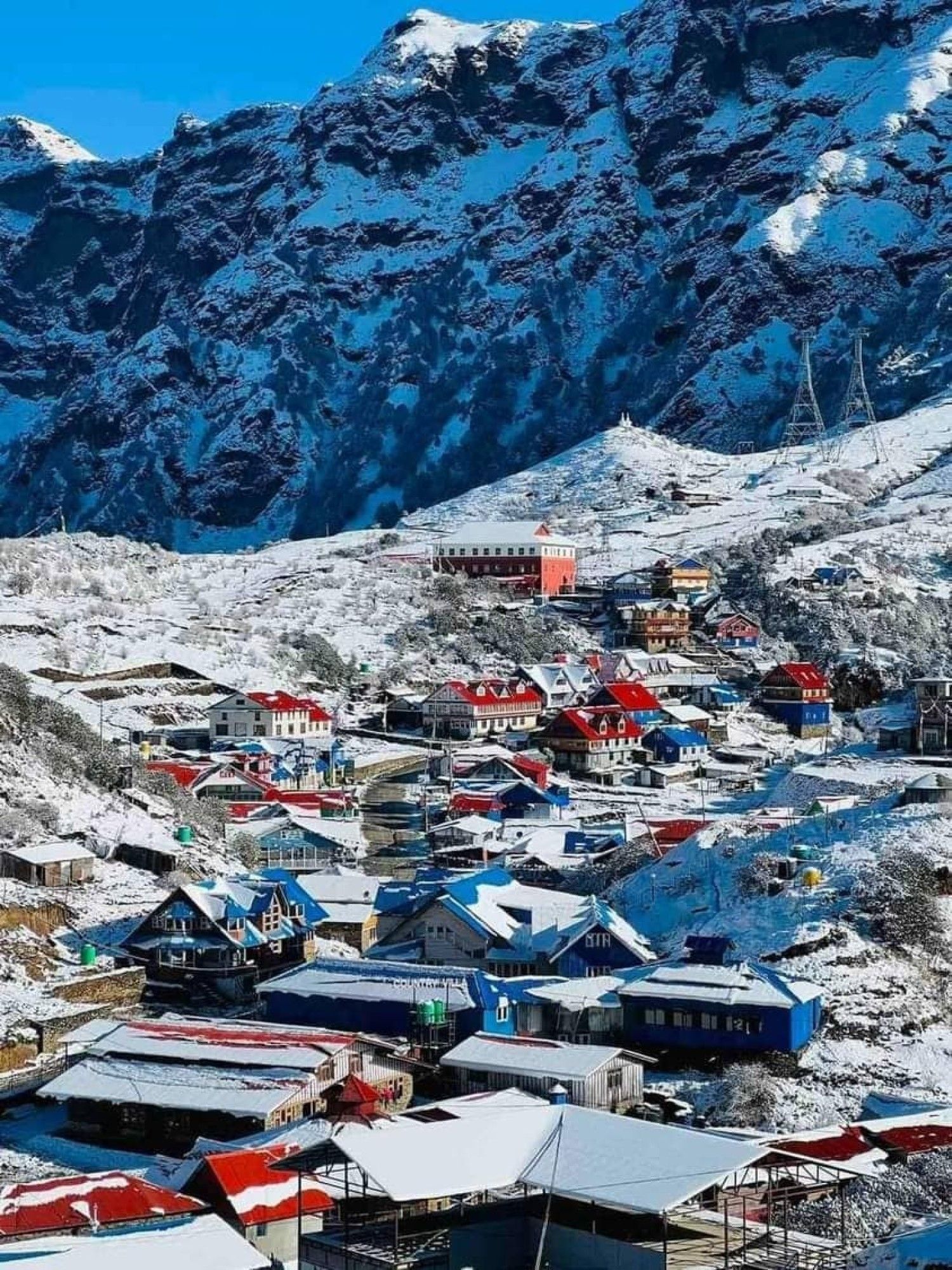
Finance Minister Dr. Swarnim Wagle has said that Nepal will require an estimated $4.7 billion to $5 billion to rebuild infrastructure and recover from the disasters in the Bhotekoshi and Trishuli regions. Speaking at a parliamentary special committee meeting in Singha Durbar on Friday, Wagle said the physical and economic damage caused by the disasters was equivalent to approximately 10% of Nepal's Gross Domestic Product (GDP). He estimated that the floods and landslides in the affected regions alone caused damages worth $2.7 billion to $2.8 billion. He said the government plans to follow a phased reconstruction strategy based on the concept of "Building Back Better" to develop more resilient infrastructure. The minister also revealed that the government has initiated discussions with India, China, the World Bank and the Asian Development Bank to secure reconstruction financing over the next three to five years. Around 80% of the required funds are expected to come from these partners, while the remaining 20% will be mobilized through other development partners and donor agencies. Regarding budget management, Wagle said the government plans to reprioritize existing allocations within the current fiscal year's Rs. 21.24 trillion budget rather than introduce a supplementary budget. Reconstruction activities will be coordinated through the Infrastructure Ministry, with additional funding prioritized in the next fiscal year's budget if necessary. He also stated that Rs. 18 billion collected in the Prime Minister's Disaster Relief Fund reflects public trust in the government and assured that the funds would be distributed and utilized based on established procedures and actual needs rather than spent indiscriminately.
Nepal Estimates $5 Billion Needed for Reconstruction After Bhotekoshi-Trishuli Disasters
Finance Minister Dr. Swarnim Wagle has estimated that Nepal will require approximately $4.7 billion to $5 billion for reconstruction following the disasters in the Bhotekoshi and Trishuli regions. The government is preparing a phased financing plan, including financial support from India, China, the World Bank and the Asian Development Bank (ADB).
Published By Share Gyan