Third Night of US Strikes Triggers Wider Iran Retaliation
The United States launched a third consecutive night of military strikes on Iranian targets, prompting Iran to retaliate with missile and drone attacks across the Gulf, including against oil tankers and US military facilities, further escalating regional tensions and disrupting global energy markets.
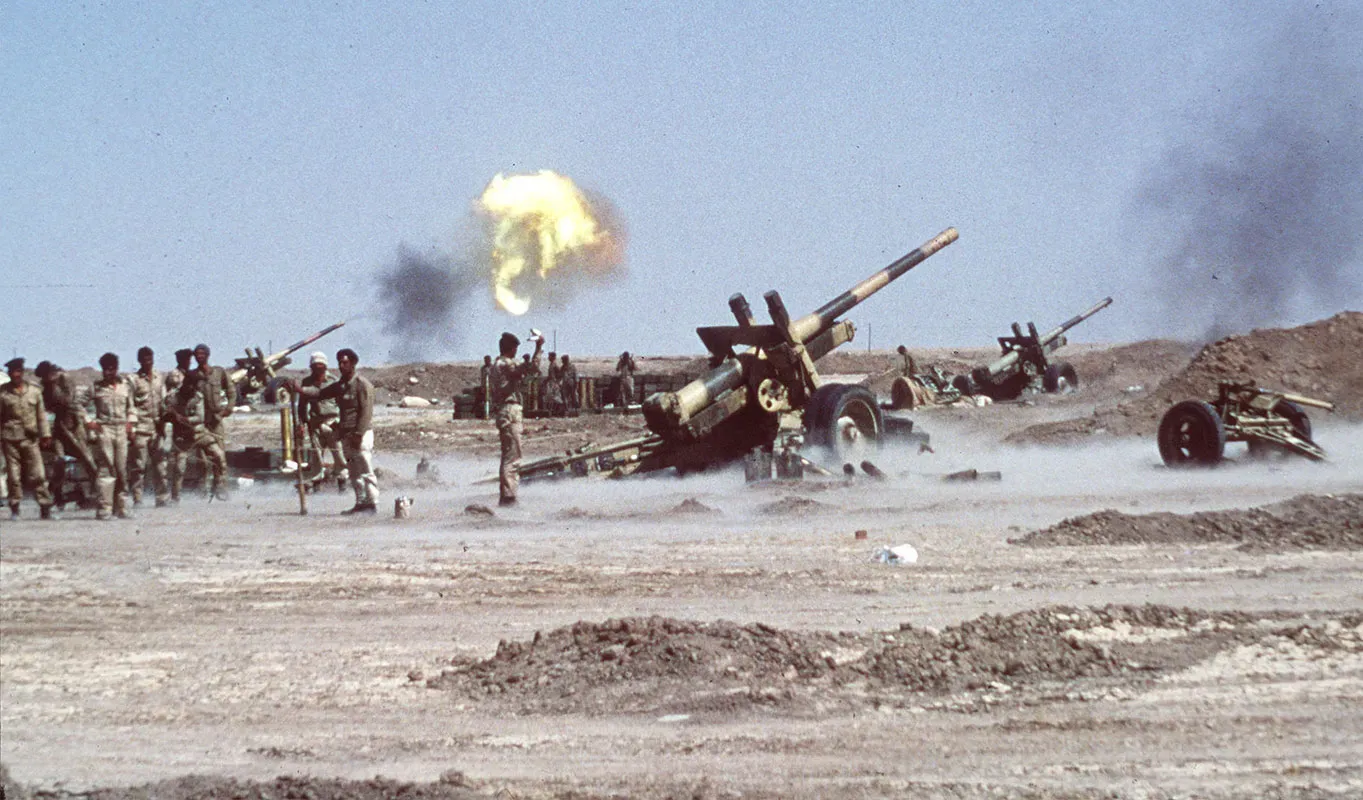
The United States carried out military strikes on multiple locations across Iran for a third consecutive night on Monday, targeting key military facilities in Bushehr, Chabahar, Jask, Konarak, Abu Musa and Bandar Abbas in an operation lasting approximately five hours, according to US Central Command (CENTCOM). Washington said the strikes were intended to reduce Iran's ability to threaten commercial shipping and civilians in the Strait of Hormuz. In response, Iran's Islamic Revolutionary Guard Corps (IRGC) launched a series of retaliatory missile and drone attacks targeting US military installations in Bahrain, Kuwait and Jordan, while also striking two UAE-flagged oil tankers in the Strait of Hormuz. The renewed hostilities have significantly heightened tensions across the Gulf, with air raid sirens sounding in Bahrain and Jordan intercepting several incoming missiles. US President Donald Trump said military operations against Iran would continue under his wartime authority while maintaining that a diplomatic agreement remains possible. Meanwhile, Iran reaffirmed its determination to defend its strategic interests, including the Strait of Hormuz, as lawmakers advanced legislation concerning the waterway's management. The escalating conflict has also rattled global markets, pushing Brent crude oil prices above $81 per barrel and reducing shipping traffic through the Strait of Hormuz by more than 50 percent amid growing security concerns.