Latest News
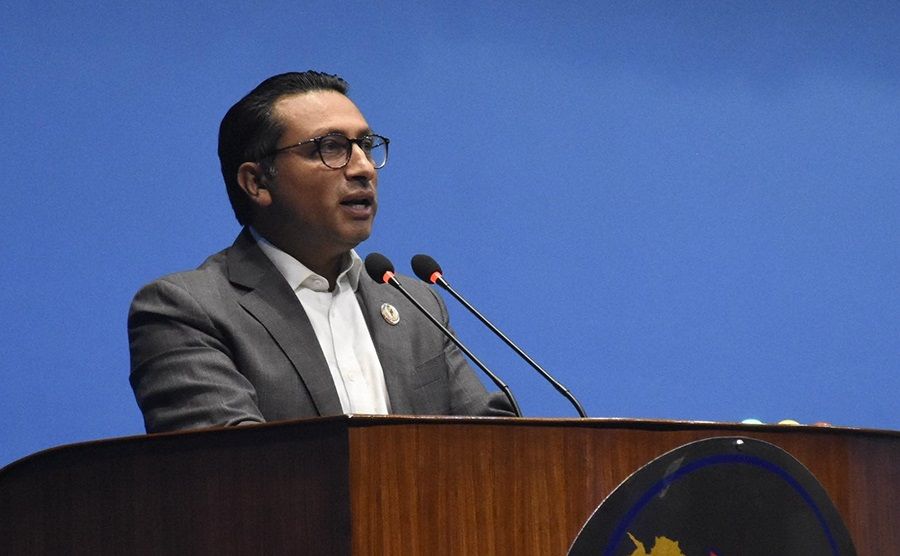
Finance Minister Seeks Stronger Banking Partnership to Revive Nepal’s Economy
Finance Minister Dr. Swarnim Wagle has called on commercial banks to help restore investor confidence, saying stronger government-bank coordination is essential to accelerate investment and economic growth.
Nepal's Tea Exports to India Decline in Volume and Value
Nepal's tea exports to India through the Kakarvitta border declined in both volume and value during the last fiscal year, with export earnings falling by nearly Rs 640 million.
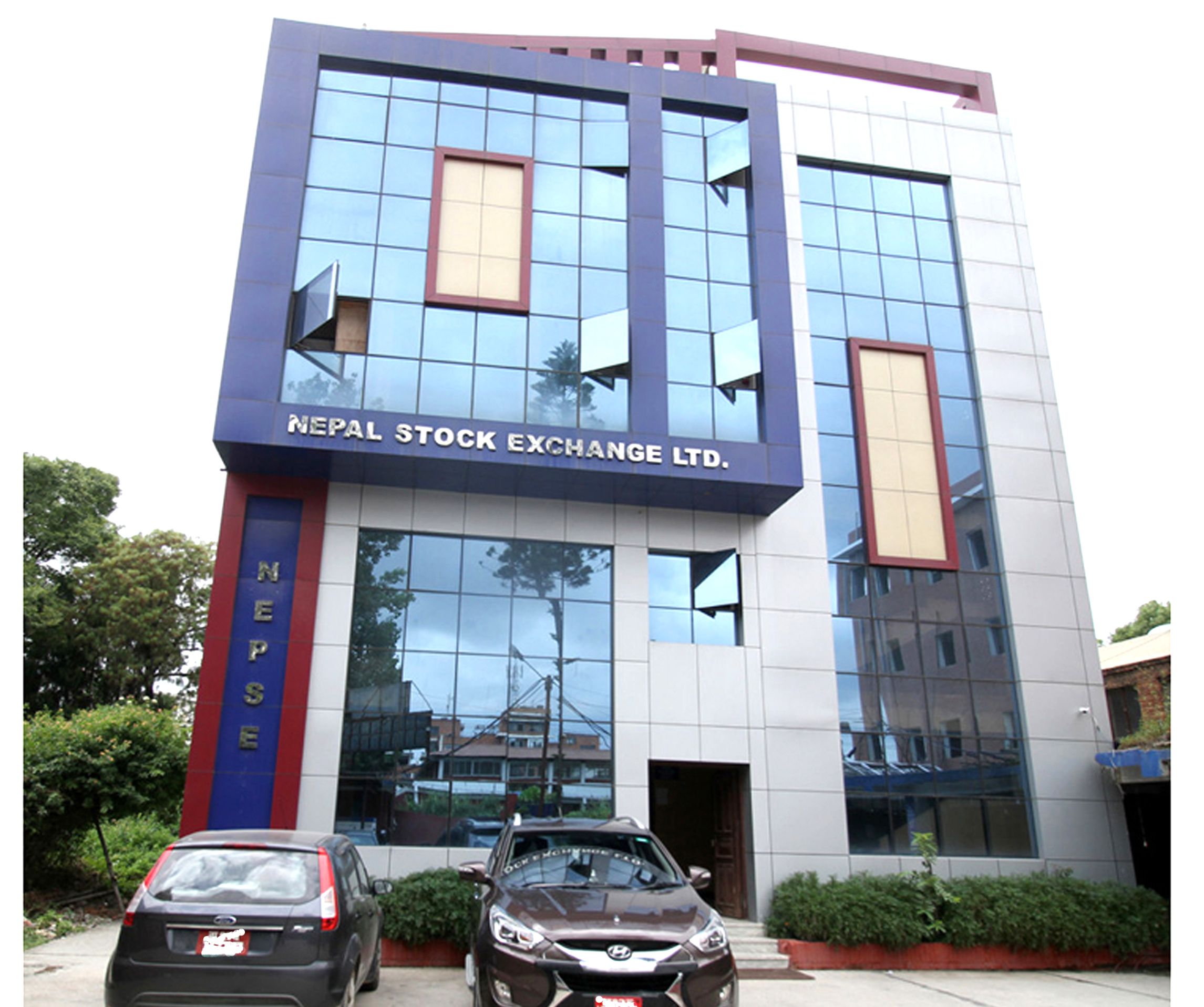
NEPSE Slips 1.20 Points Despite Rs 4.57 Billion Turnover
The Nepal Stock Exchange (NEPSE) edged lower on Monday, declining 1.20 points to close at 2,684.33, while daily turnover stood at Rs 4.57 billion.
Nepal Oil Corporation Raises Fuel Prices, LPG Rate Unchanged
Nepal Oil Corporation has increased the prices of petrol, diesel, kerosene and aviation fuel effective Tuesday, while keeping the price of LPG unchanged despite higher import costs.
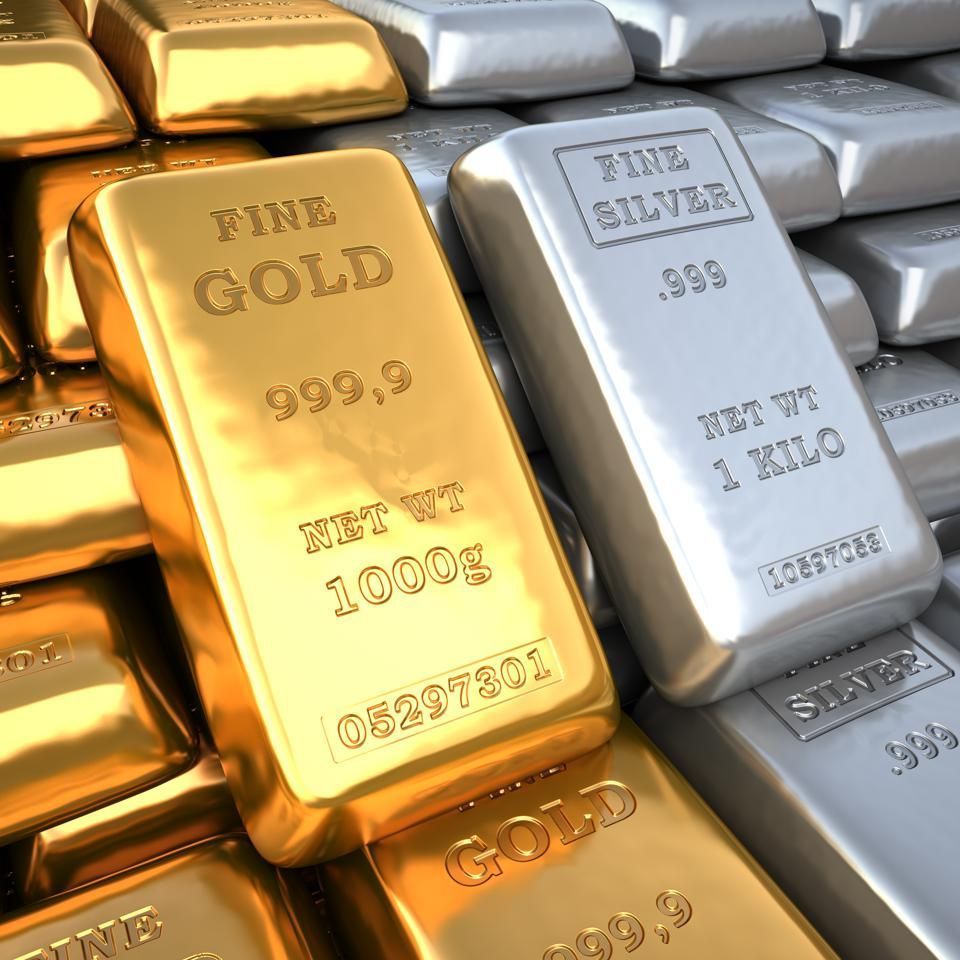
Gold and Silver Prices Rise in Nepal on Monday
Gold and silver prices increased in the Nepali market on Monday, with gold gaining Rs 800 per tola and silver rising by Rs 35 per tola.

Trump Announces Talks With Iran, Pauses Planned Military Action
U.S. President Donald Trump said negotiations with Iran will begin Monday afternoon, citing diplomatic appeals from key Middle Eastern allies and hopes for an agreement on the Strait of Hormuz and nuclear disarmament.
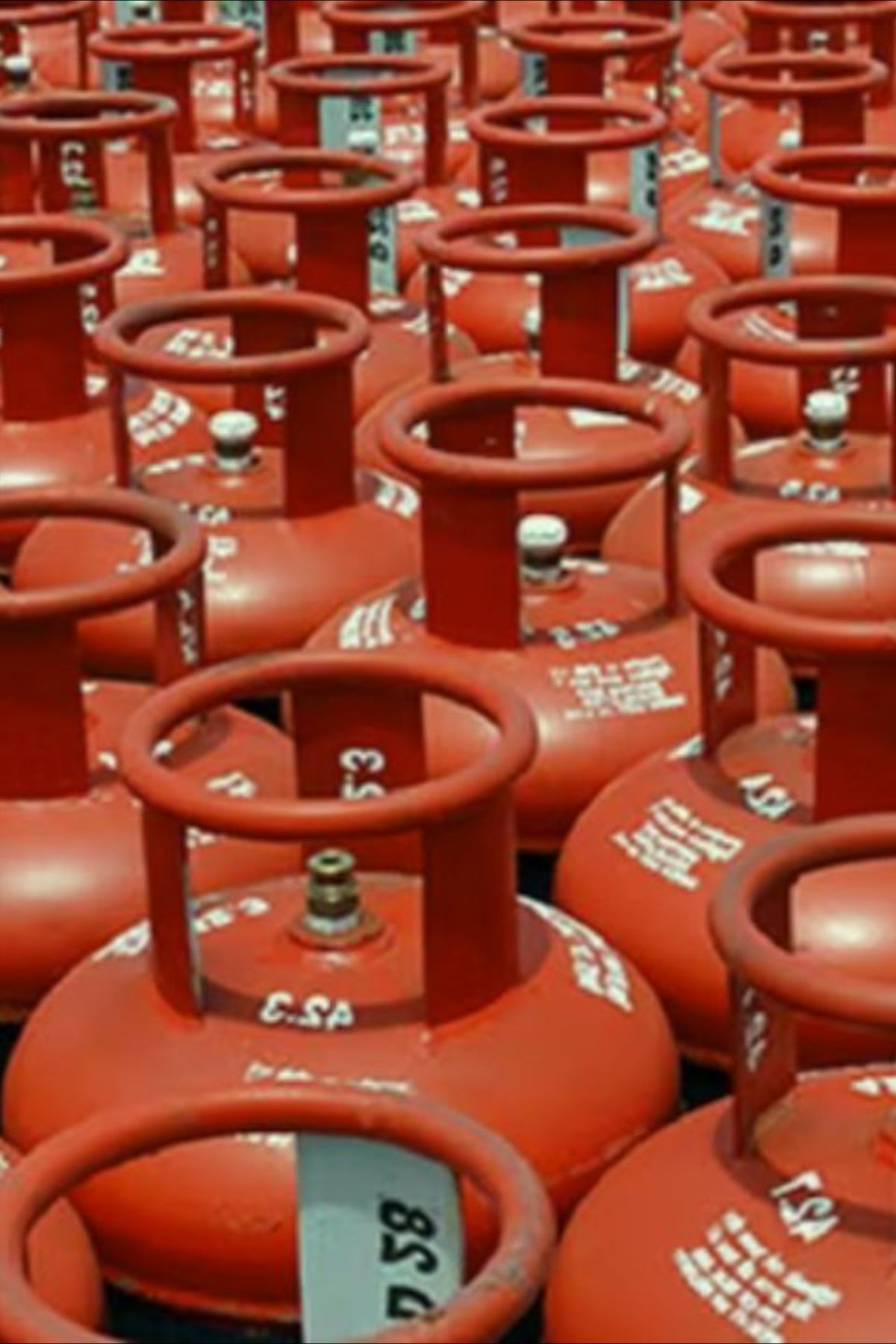
Long Queues for LPG Cylinders at Teku Despite Assurances of Adequate Supply
Hundreds of consumers lined up at the National Trading branch in Teku to purchase LPG cylinders, while Nepal Oil Corporation maintained that there is no shortage of cooking gas in the Kathmandu Valley.
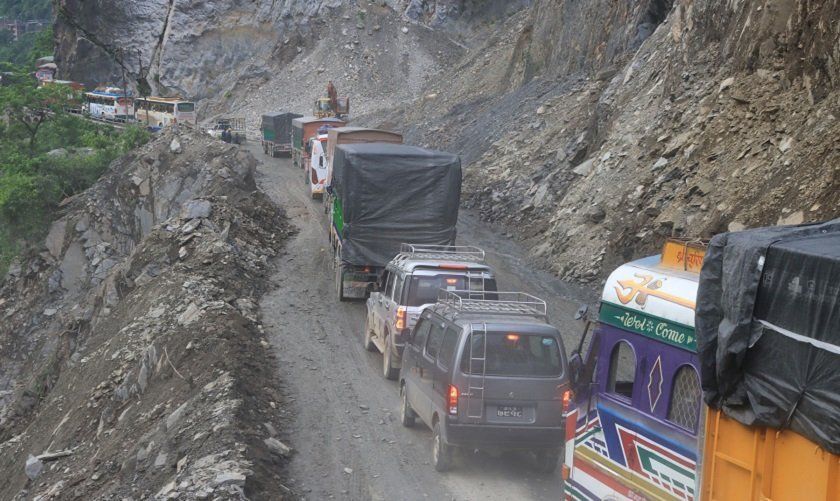
Continuous Rain Disrupts Traffic Along Muglin–Narayangadh Highway
Falling rocks and uprooted trees triggered by continuous rainfall have disrupted traffic along the Muglin–Narayangadh road section, prompting authorities to urge travelers to exercise caution.
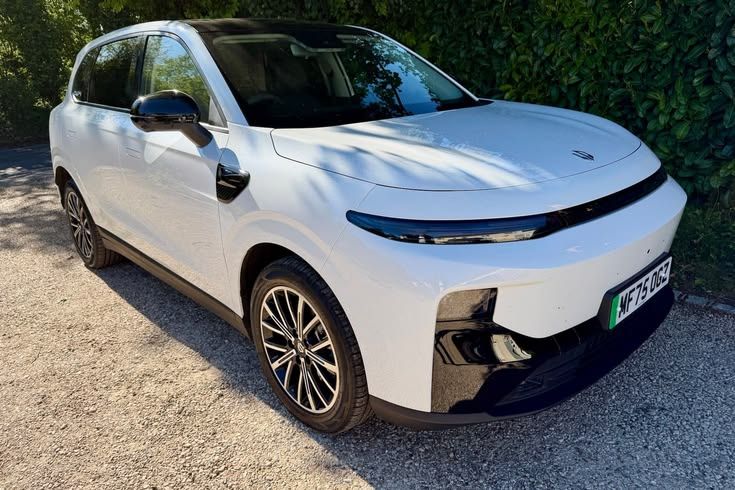
Leapmotor Launches Premium Electric SUV B03X in Nepal
Shangrila Motors has introduced the highly anticipated Leapmotor B03X premium electric SUV in Nepal, offering a 505-km driving range and advanced smart driving features.
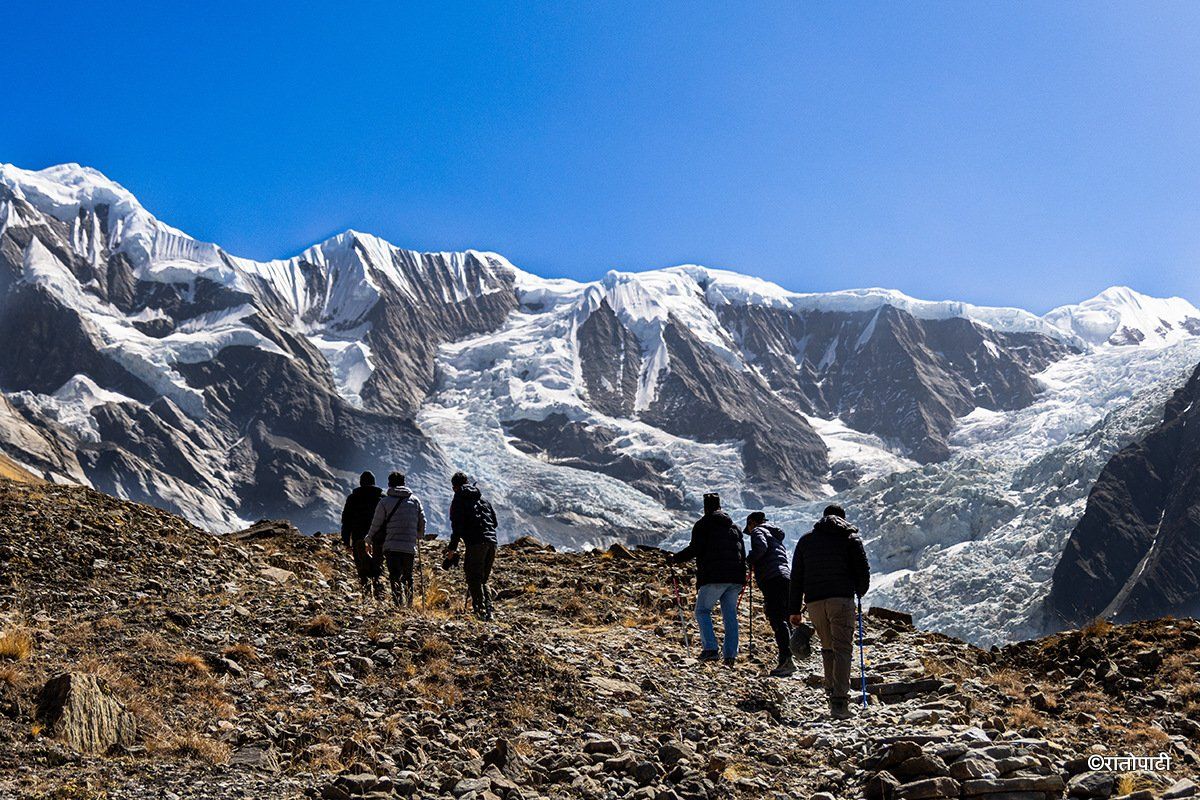
Foreign Tourist Arrivals in Nepal Rise 2.3% in July, China Sees Strongest Growth
Nepal welcomed 71,775 foreign tourists in July 2026, marking a 2.3% year-on-year increase, with visitor numbers from China surpassing pre-pandemic levels.
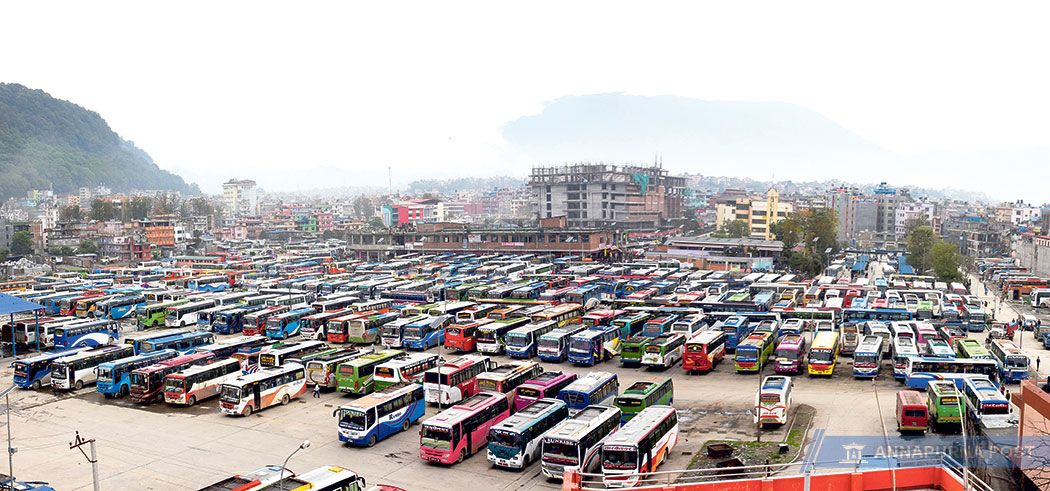
Nepal Unveils New National Transport Policy to Modernize Mobility
The government has approved the National Transport Policy 2083, introducing reforms aimed at improving road safety, promoting electric vehicles, expanding digital transport services and building a more sustainable transport system.
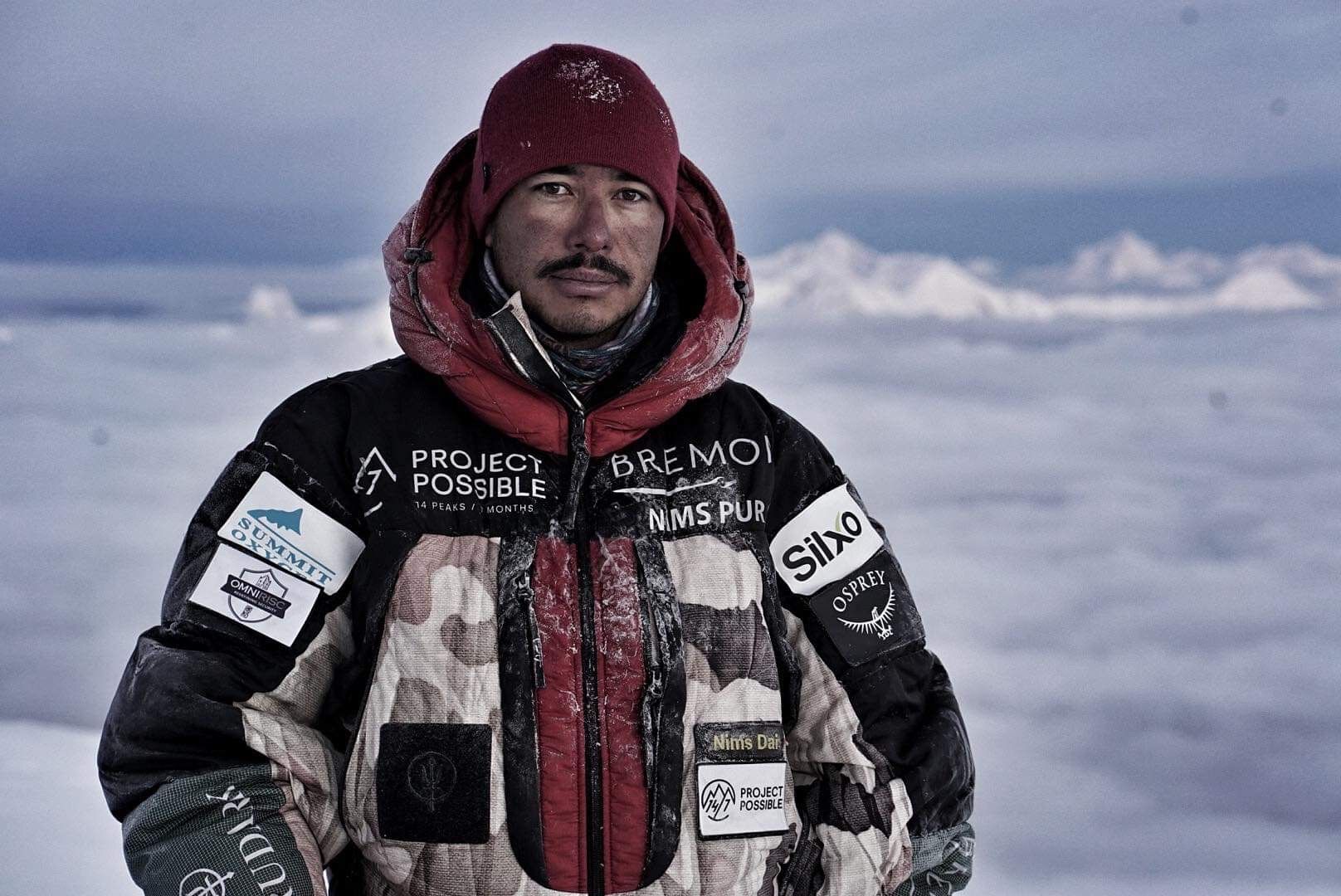
PM Balen Pays Tribute to Nirmal Purja and Broad Peak Victims
Prime Minister Balendra Shah (Balen) has paid heartfelt tribute to Nirmal Purja and the other climbers who lost their lives in the Broad Peak avalanche, saying their courage, dedication, and contributions will continue to inspire future generations.