Finance Minister Swarnim Wagle Proposes Major Legal Overhaul to Modernize Nepal’s Tax and Revenue System
The government has introduced a sweeping reform bill to simplify Nepal’s economic administration by repealing outdated laws, restructuring revenue investigations, mandating GPS tracking for commercial transport, and strengthening tax enforcement.
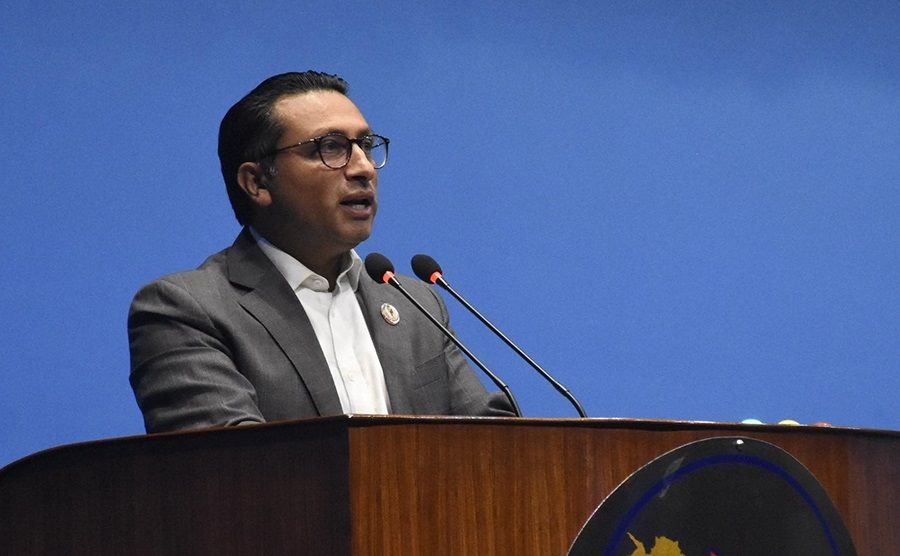
The Government of Nepal has introduced a major legislative reform package aimed at modernizing, streamlining, and improving transparency in the country’s economic administration. Finance Minister Dr. Swarnim Wagle has tabled the Economic Laws Amendment and Repeal Bill, 2083 in the Federal Parliament, proposing amendments to three key tax laws while repealing six outdated Acts that have remained in force for decades. The government says the bill is designed to strengthen Nepal’s federal governance framework, eliminate overlapping legal provisions, reduce administrative burdens on businesses, and create a more investor-friendly regulatory environment. One of the bill’s most significant provisions is the repeal of the Revenue Leakage (Investigation and Control) Act, 1995, transferring investigation powers to specialized agencies. Tax-related offenses, including income tax, VAT, and excise violations, would be investigated by the Inland Revenue Department, customs evasion cases by the Department of Customs, and foreign exchange violations by investigators designated by Nepal Rastra Bank. The bill also proposes mandatory GPS-based Vehicle and Consignment Tracking System (VCTS) devices for commercial cargo vehicles, introduces a legal definition of non-tax revenue with stricter recovery measures, expands customs authorities’ post-clearance audit powers, and repeals six obsolete laws no longer relevant under Nepal’s federal system. According to the government, the reforms will lower administrative costs, improve revenue collection, and end the long-standing overlap among multiple investigative agencies, although their success will largely depend on effective coordination between the newly designated authorities.