Task Force Calls for Leadership Shift and Major Organizational Overhaul
A 65-page draft report by the CPN-UML’s Election Review and Party Reorganization Task Force has called for sweeping changes in leadership, party structure and working style, while raising serious questions over Chairman KP Sharma Oli’s leadership approach.
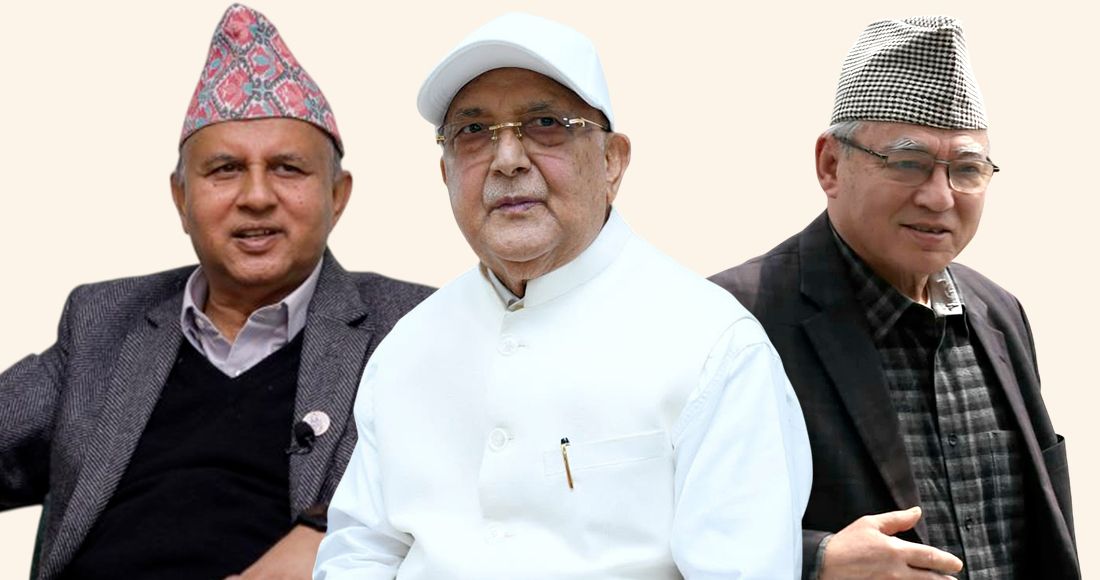
The Election Review and Party Reorganization Task Force of the CPN-UML has recommended fundamental changes in the party’s leadership style and organizational structure, arguing that major reforms are necessary to revive the party. The 65-page draft report prepared under the coordination of Vice-Chairman Ram Bahadur Thapa ‘Badal’ criticizes Chairman KP Sharma Oli’s leadership style, describing it as ‘autocratic’ and linking it to growing organizational disorder within the party. The report calls for the restoration of the 70-year age limit and two-term leadership provision removed at the party’s 10th General Convention, saying their absence has hindered democratization and increased dissatisfaction among younger cadres. It also emphasizes leadership transition to encourage greater participation from the new generation and proposes cutting the size of party committees by at least 40% to make them leaner and more effective. The task force has described the February 21 election result as “unexpected and shameful” and concluded that internal weaknesses, rather than external pressure, played the larger role in the party’s defeat. The report also raises concerns over the leadership’s increasingly affluent lifestyle, growing distance from ordinary citizens, alleged links to corruption controversies, factionalism, favoritism and the decline of ideological debate. To rebuild the party’s appeal among younger voters, it recommends at least 40% representation for youth and women, the creation of a strong digital mechanism, and modernization of party documents and language. It further proposes strict implementation of the ‘one person, one post’ principle, primary elections for candidate selection, reduced central interference, and disciplinary action against those found to have undermined their own candidates. The task force has also called for a contemporary reinterpretation of People’s Multiparty Democracy (PMD), linking it with economic prosperity and emerging forms of class struggle, alongside stronger ideological training at the grassroots. Describing the current situation as unsuitable for long-term progress, the draft says leadership reform, renewed age limits, smaller committees and a digital-age organization are essential to the UML’s future. However, the report remains a draft and has yet to be finalized by the task force.